
Last updated November 14, 2026
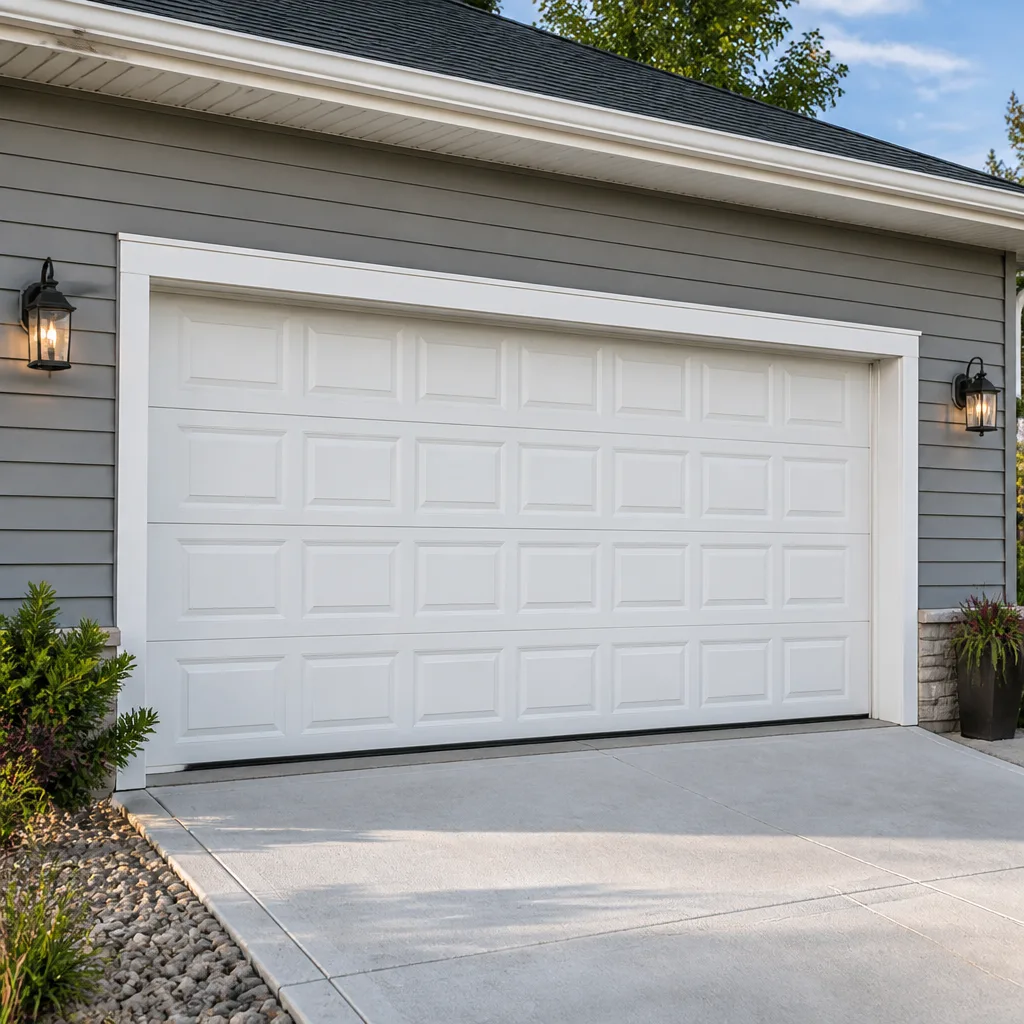 Raised-panel steel
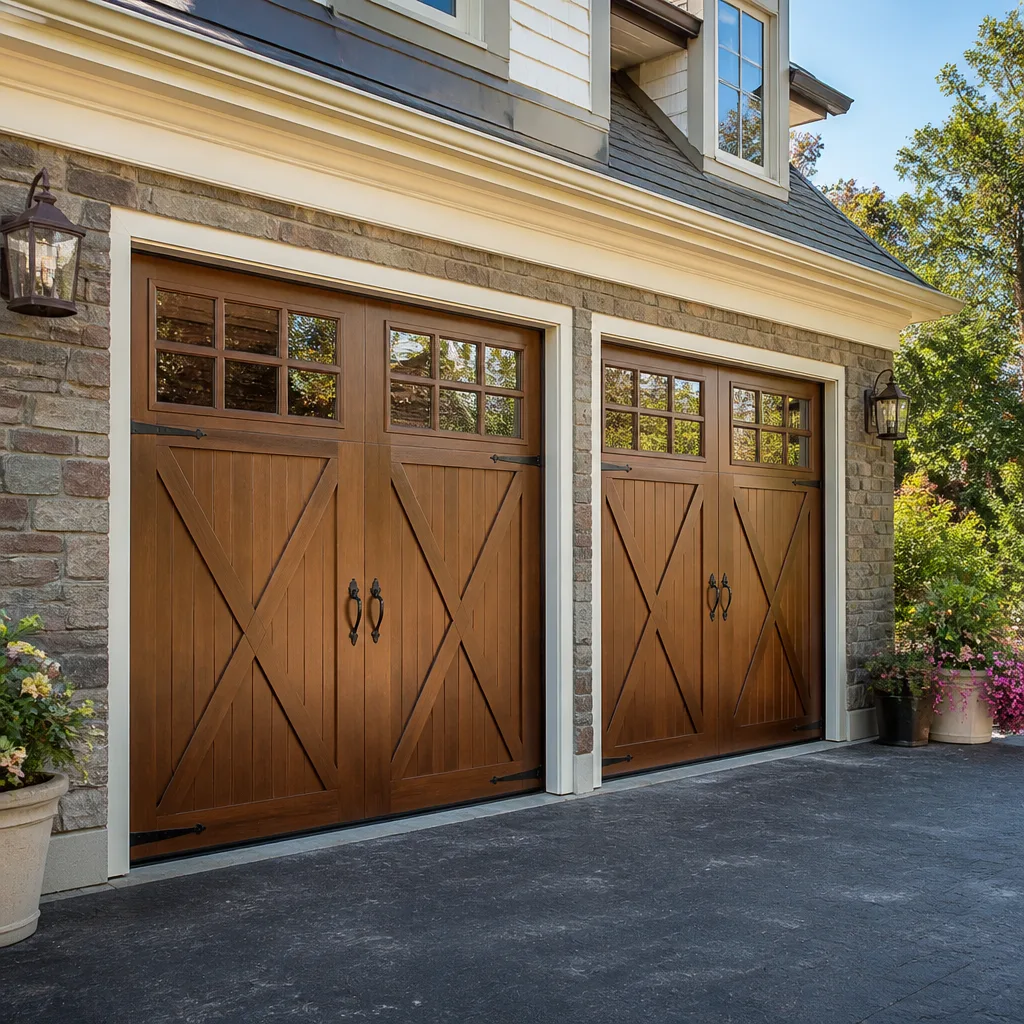 Carriage house
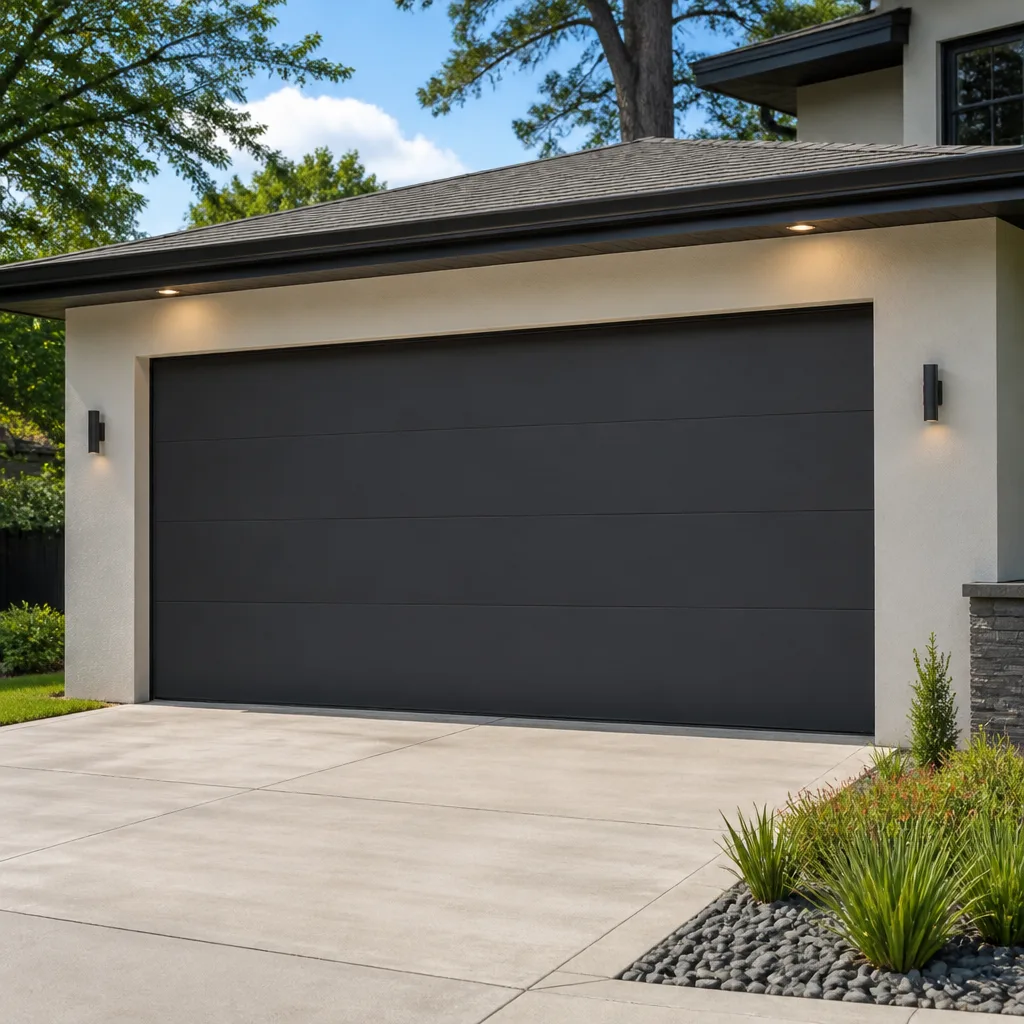 Modern flush
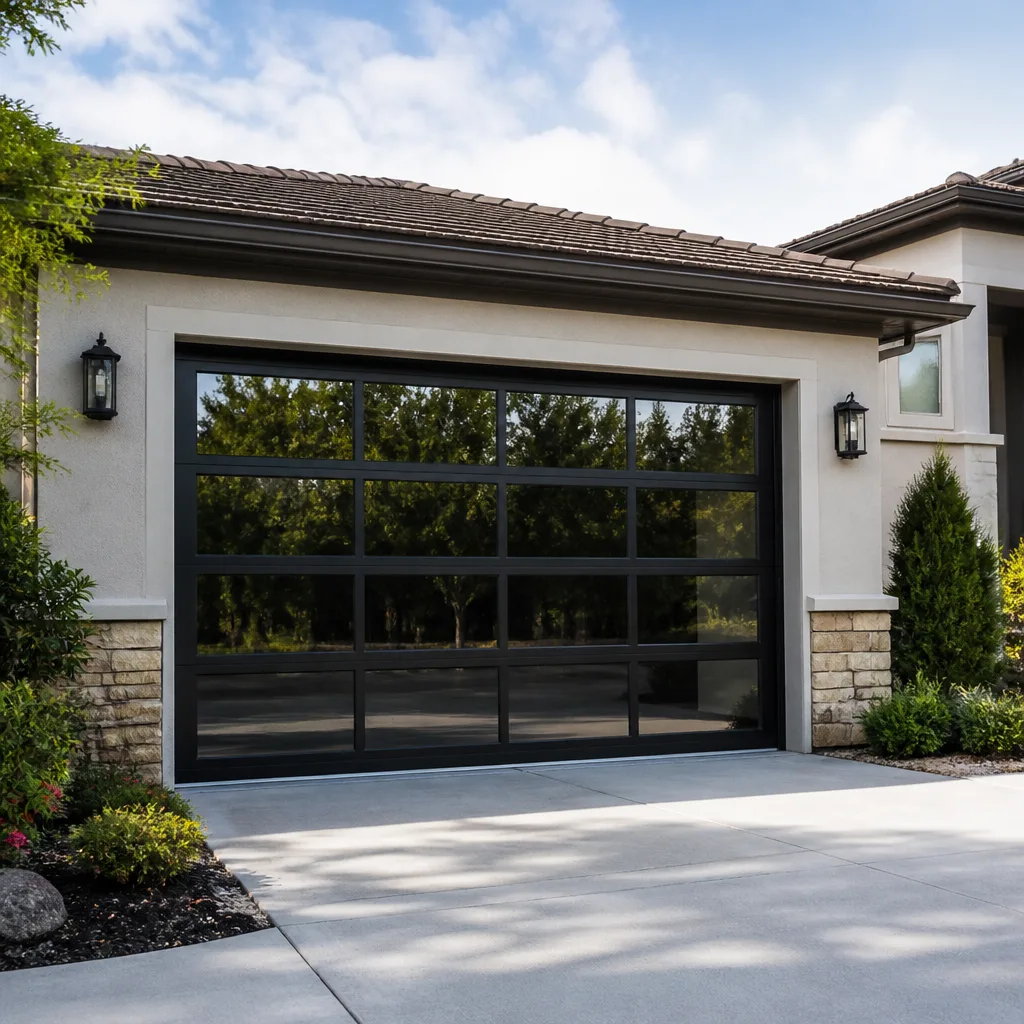 Full-view glass
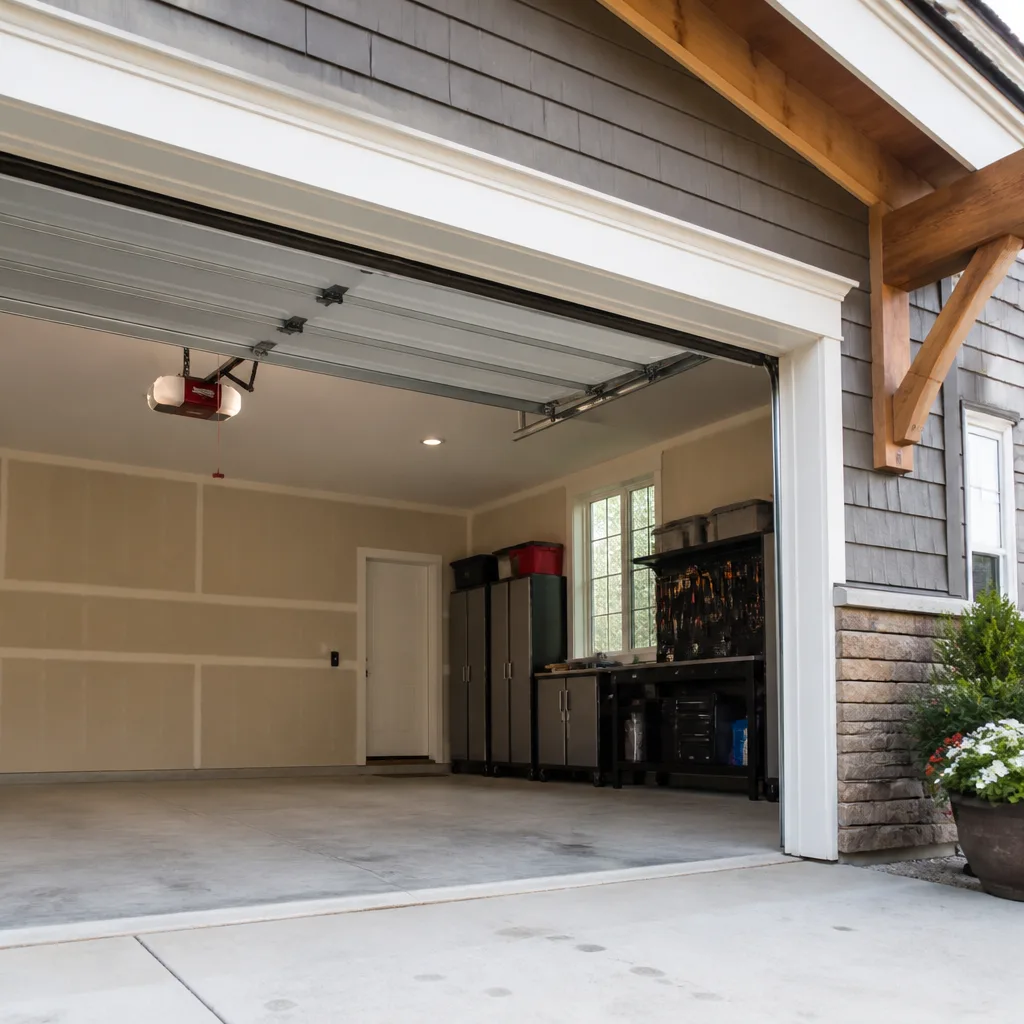 LiftMaster openers
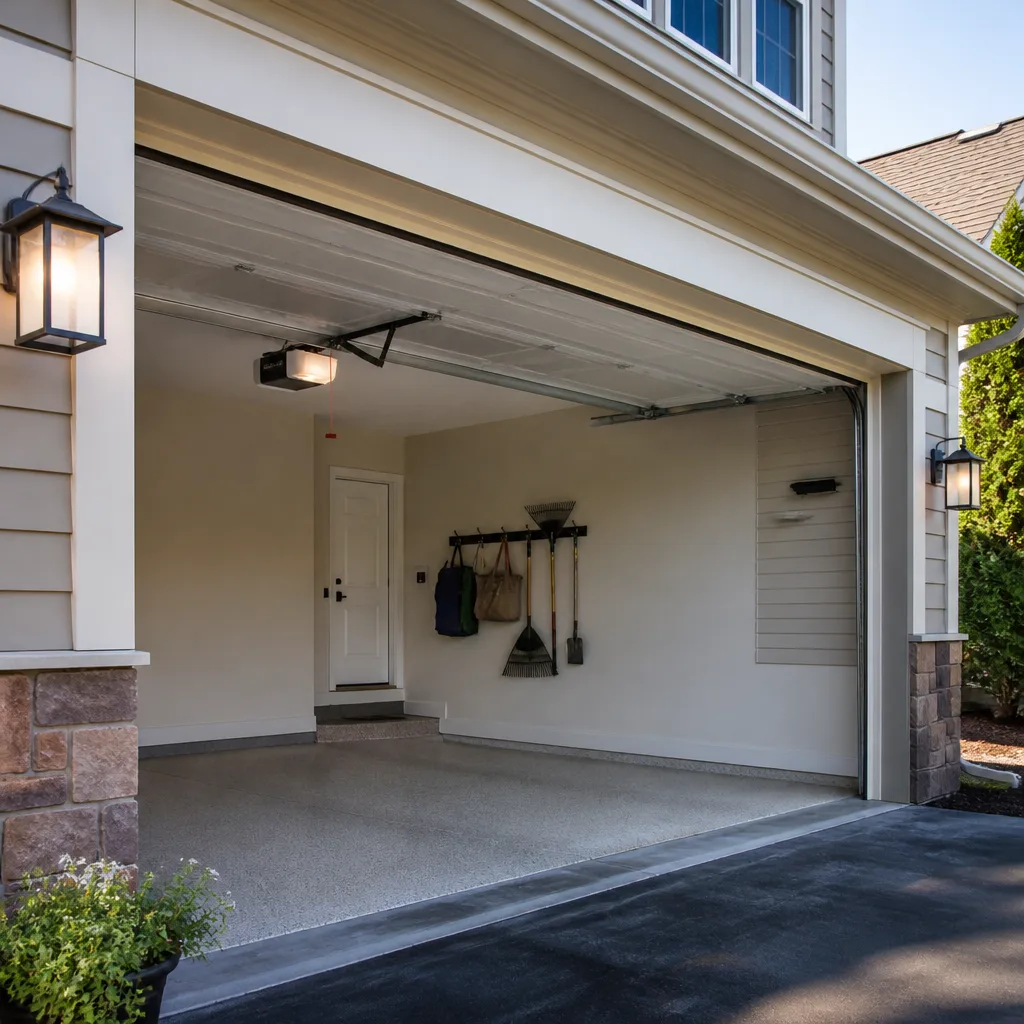 Chamberlain openers
Full 25-point door and opener safety check with every visit - springs, cables, rollers, tracks, and your LiftMaster or Chamberlain opener included
You get a price before we start. It does not change when the truck arrives.
Get your free estimateSeasonal Garage Door Care for Newport News: Year-Round Homeowner’s Guide
Here’s the part that surprises most homeowners: the garage door failures we get called about in January almost always started in October. Not in a dramatic way. Quietly. The temperature swings of a Hampton Roads fall are where springs lose their calibration and bottom seals begin to gap, and nobody notices until the first hard freeze makes the door groan, stick, or stop halfway up. Newport News doesn’t get four equal seasons. It gets a long, humid summer, a short but punishing winter, and two transition windows in fall and spring where most mechanical problems actually begin. This guide lays out what to check, and when, so your schedule matches the weather this city actually has.
Styles & brands we work with
- Raised-panel steel
- Carriage house
- Modern flush
- Full-view glass
- LiftMaster openers
- Chamberlain openers
Quick Answer
In Newport News, schedule garage door maintenance around three windows: a fall prep in late October or early November before the first hard freeze, a mid-summer humidity check on torsion hardware and rollers, and a five-point inspection in March once temperatures stabilize. Most winter problems here are lubrication viscosity and metal contraction, not broken parts, and most of them are preventable with simple seasonal attention.
Table of Contents
- Why Newport News Seasons Hit Garage Doors Differently
- Fall Prep: What to Address Before the First Hard Freeze
- Summer Humidity: Slowing Rust on Torsion Hardware
- Why Winter Issues Are Usually Lubrication and Contraction
- Spring Post-Winter Inspection: The Five-Point Check
- How the James River and Chesapeake Shape Your Maintenance Timing
- Seasonal Care for Openers, Remotes, and Safety Sensors
- Common Mistakes to Avoid
- When to Call a Professional
- Frequently Asked Questions
- The Bottom Line
Why Newport News Seasons Hit Garage Doors Differently
Newport News sits in a peculiar climate pocket. The summers run long and humid, often pushing from May into September, and that humidity works on metal hardware the entire time. The winters are shorter, but they bring enough overnight freezes and temperature swings to stress springs, seals, and weather stripping. And then there are the transitions: late fall and early spring, when the mercury can swing thirty degrees in a day and the door takes more mechanical shock in two weeks than it does in two months of steady weather.
That’s why a maintenance calendar built for a place with textbook seasons doesn’t fit here. A homeowner following a generic checklist might do their heavy inspection in April and again in September, but those are exactly the moments where conditions here are most unsettled. In our experience across Newport News, keeping to a locally tuned schedule makes a noticeable difference in how smoothly a door cycles through the year.
Three things drive the seasonal wear pattern:
- Humidity exposure. Long, muggy stretches accelerate surface oxidation on torsion bars, hinges, and roller stems.
- Thermal contraction. Metal parts shrink in cold snaps, and springs that were perfectly tensioned in September can behave like they’re tensioned wrong by January.
- Transition shock. The rapid temperature swings of fall and spring cause more mechanical stress than stable weather.
Once you understand that these three forces are the real drivers, the rest of the calendar falls into place. It’s not about doing more maintenance; it’s about doing it at the right time.
Fall Prep: What to Address Before the First Hard Freeze
The single most important window for garage door care in Newport News is the stretch of weeks between late October and the first hard freeze. What you address in that window determines how the door behaves through the coldest nights of January and February. Skipping it is the most common reason we get calls in the middle of a cold snap.
Here’s what a sound fall prep covers:
- Listen to the door before you look at it. Cycle the door fully open and closed a few times and pay attention to sounds. A rhythmic squeak means lubrication is due. A pop or snap means something is out of adjustment.
- Check spring tension. With the door closed, look at the springs above the door. They should look intact and evenly wound. Any visible gap in a torsion spring is a sign it’s worn and should be evaluated before cold weather stresses it further. Do not attempt to adjust spring tension yourself; springs are under extreme tension and require a trained technician with the right tools.
- Inspect the bottom seal. Run your hand along the bottom seal with the door closed. A seal that’s flattened, cracked, or gapping lets cold air and moisture under the door. This is also where rain intrusion starts and where small nuisance rodents often get their first foothold.
- Lubricate hinges, rollers, and the torsion bar. Use a garage-door-specific lubricant on hinges, roller stems, and the torsion bar (not the tracks). The aim is to have fresh lubricant on the moving parts before the first freeze.
- Test the safety reverse. Put a small object in the door’s path and cycle the door closed. If it doesn’t reverse on contact, the opener needs attention before winter.
- Check weather stripping on the sides and top. Gaps here let in drafts and moisture that speed up rust on hardware.
Most of a fall prep can be done by a careful homeowner. The two jobs that call for a professional are spring evaluation and any adjustment to the opener’s force or travel limits, both of which need proper gauges and torque.
For a deeper look at what a proper fall tune-up involves, our garage door repair team can walk you through what’s worth checking based on your door’s age and brand.
Summer Humidity: Slowing Rust on Torsion Hardware
Summer in Newport News is the season that quietly does the most long-term damage. The humidity that makes the air feel thick from May through September is also working on the metal parts of your garage door, particularly the torsion bar, cable drums, hinges, and roller stems. Rust doesn’t happen overnight, but it starts faster in this climate than most homeowners expect, especially on doors that face west or sit against an unventilated wall.
The goal in summer isn’t to eliminate rust; it’s to slow it enough that the hardware lasts its expected life. Three things matter most:
- Keep moving parts lubricated. A light coat of lubricant on hinges, roller stems, and the torsion bar creates a barrier against moisture. Reapply through the summer, especially after heavy rain or a long muggy stretch.
- Keep the door track clear of debris. Dirt and grit trapped in the track hold moisture against the rollers and accelerate wear.
- Watch for surface rust on the panels. Small rust spots on steel panels can be cleaned and touched up with paint; if left, they spread. Aluminum and wood doors need their own specific attention, and we’ll get to that.
Rollers can also get noisy in summer. The combination of heat and humidity can change how smoothly rollers glide in the track. If you start hearing a rumble or a squeal during summer, that’s usually the signal to lubricate and, if the noise persists, to have the rollers checked. Worn rollers can score the track and cause the door to bind, which puts added load on the opener.
For doors with wood or composite panels, summer is also when the finish needs its annual inspection. Sun fade and moisture swelling are both more pronounced in Newport News than in drier parts of Virginia. A quick look at the panel edges will tell you whether a touch-up is due before fall.
Why Winter Issues Are Usually Lubrication and Contraction
Here’s the reassuring news: most winter garage door problems we see in Newport News are not major mechanical failures. They’re almost always one of two things. Lubrication that’s too thick for the cold, or metal contraction that changes the way the door fits and cycles.
On the lubrication side, grease that works fine at 70 degrees can become noticeably stiff below freezing. That stiffness makes the door sound like it’s straining, and it puts extra load on the opener. The fix is usually straightforward: switch to a cold-weather appropriate lubricant in late fall, before the first freeze, so the door is ready when temperatures drop.
On the contraction side, metal parts shrink as they cool. A spring that was correctly tensioned in September is under a slightly different load in January. A door that fit its opening cleanly in summer can show small gaps at the bottom seal when it’s cold. Neither of these means something is broken. They mean the door is doing what metal does.
What winter is not, in most cases, is the time for a major repair. If the door is well-maintained, most cold-weather issues resolve themselves as temperatures come back up. What winter does, though, is expose problems that started in fall and weren’t addressed. A bottom seal that was starting to gap in October becomes an obvious draft in January. A spring that was showing wear in November becomes a hard snap in February.
The practical takeaway: pay attention to the small things in fall. Winter in Newport News rewards preparation more than emergency response.
Spring Post-Winter Inspection: The Five-Point Check
Once March arrives and temperatures start to stabilize, run a proper inspection. Spring is the season for catching anything winter loosened or stressed and addressing it before the summer humidity has a chance to compound it. The five-point check below is what we recommend for homeowners across Newport News, from Port Warwick to Hilton Village to the neighborhoods near the shipyard.
- Test the door’s balance. Disconnect the opener (usually with the manual release pull) and lift the door halfway. It should stay where you put it, without drifting up or down. If it drifts, the springs are out of balance and need professional attention.
- Inspect the springs and cables. Look for gaps in the springs, frayed cables, and loose cable drums. These parts are under extreme tension and are not a DIY job. If anything looks off, stop and call a professional.
- Check the bottom seal and weather stripping. Replace anything that’s cracked, torn, or flattened. Spring is a good time for this because the new seal will have its full life ahead of the summer humidity and fall cold.
- Test the safety reverse and photo-eye sensors. Place a small object in the door’s path and close it. The door should reverse on contact. Test the two photo-eye sensors at the bottom of the tracks by waving an object in front of them while the door is closing; the door should stop and reverse.
- Listen to the door cycle. A normal cycle is quiet and steady. Squeaks, rumbles, and uneven movement are all signals to investigate. Any new noise compared to last fall is worth a closer look.
This five-point check takes maybe twenty minutes and catches most of the problems that would otherwise show up in July or next January. If any point raises a flag, that’s the moment to have it looked at, before it becomes a larger repair.
If your opener is the part that’s struggling after winter, our garage door opener repair service covers the drive systems, remotes, and safety sensors on the major brands homeowners actually own.
How the James River and Chesapeake Shape Your Maintenance Timing
Newport News sits between the James River to the north and the Chesapeake to the east, and that geography does affect how seasonal maintenance plays out, even though the differences are more about timing than dramatic shifts. Homes closer to the water tend to see humidity arrive slightly earlier in spring and stay slightly later into fall, which means the summer-humidity window is a bit wider than it is for homes out toward the western edge of the city or in inland parts of the Peninsula.
The practical implications are modest but real. If you’re close to the river or the bay, plan to start your summer humidity checks a couple of weeks earlier than a homeowner in, say, Denbigh or midtown. Reapply lubricant to the torsion hardware a little more often. And plan the fall prep to begin in mid-October instead of late October, so the door is fully ready before the first real cold snap.
Inland Newport News homeowners on slightly higher, drier ground can follow the standard calendar with a bit more slack. The differences aren’t dramatic, but they matter at the margin. A door maintained on a water-adjacent schedule ages well; a door on that same schedule when it didn’t need it is simply over-maintained, which is fine.
One thing that doesn’t change across the city: the pattern of a long humid summer, a short cold winter, and two transition windows is the same everywhere in Newport News. What changes is the exact date each phase starts and how long it lasts.
Seasonal Care for Openers, Remotes, and Safety Sensors
The door gets most of the attention in seasonal maintenance, but the opener deserves its own seasonal check. The opener is the quiet workhorse of the system, and it doesn’t complain until something’s already wrong. A spring tune-up in October and March can be extended to include the opener with a few extra minutes.
What the opener needs each season:
- Test the safety reverse every season. It’s the single most important safety function on the system.
- Clean the photo-eye sensors. Dust, cobwebs, and humidity film build up on the lenses and can cause intermittent false activations. A soft cloth fixes most of them.
- Check the wall control and remotes. Replace remote batteries at least once a year; spring is a good time because the door gets used more in summer. If a remote is intermittent even with fresh batteries, the opener’s receiver or the remote itself may need attention.
- Listen for strain in the opener’s motor. If the door feels heavier in cold weather, the opener works harder. That strain is a signal to check the door’s balance before the opener motor is stressed.
- For smart or Wi-Fi-equipped openers, check the connection each season. Software updates and router changes can leave a smart opener offline without any obvious sign.
Brands like LiftMaster, Chamberlain, and Craftsman all have their own quirks when it comes to seasonal behavior. LiftMaster and Chamberlain units with battery backup should have that battery tested each fall; Craftsman openers older than a decade often benefit from a spring inspection of the drive chain or belt, since tension changes affect them more. If the opener is starting to struggle in a way that seasonal attention doesn’t fix, that’s the point to bring in a professional. We work on the brand you already have, and we service LiftMaster, Chamberlain, Genie, Clopay, Amarr, Wayne Dalton, Craftsman, and Raynor.
Common Mistakes to Avoid
- Doing the seasonal inspection at the wrong time. A single annual tune-up in spring misses the fall transition that matters most here. The two transition windows in Newport News, not the middle of summer or the depth of winter, are when small issues start.
- Using general-purpose lubricants on the door. Heavy grease that works fine in warm weather stiffens in cold. Garage-door-specific lubricant is the right choice, and switching weight around the first freeze matters.
- Ignoring a bottom seal that’s starting to gap. A small gap in October becomes a real draft and moisture problem in January. Replacing the seal is one of the cheapest and most effective pieces of seasonal maintenance a homeowner can do.
- Adjusting spring tension without the right tools. Torsion springs are under extreme tension, and the wrong tool or a slip can cause serious injury. Springs are a professional job, full stop.
- Assuming a noisy door is “just how it sounds.” A door that gets noisier over time is telling you something. Lubrication and roller checks can fix most noises, but tracking down what changed and when is the real value.
- Forgetting the opener. A well-maintained door on a stressed opener still breaks down. Test the safety reverse and check the sensors each season, not just when something stops working.
- Waiting for a total failure. A door that’s still working but cycling awkwardly or opening unevenly is the best time to get it looked at. Waiting usually costs more and always happens at the worst moment.
When to Call a Professional
Most seasonal maintenance is safe to do yourself, but several situations call for a trained technician. Any visible gap in a torsion spring, any frayed cable, or any sign the door has lost balance means stopping what you’re doing and calling in a professional. So does a door that won’t reverse on contact or that cycles unevenly after you’ve done the standard checks. Spring, cable, and opener force adjustments all fall into the “professional” category, because the tools and knowledge matter more than the job looks.
Whitman Garage Door Repair offers free estimates in Newport News. We work on eight of the most widely installed brands, we respond quickly to real problems, and we don’t send you a bill for a conversation. Call (888) 967-0166. We answer 24/7. Fast dispatch from 7am to 7pm, Sunday through Friday.
Frequently Asked Questions
The two windows that matter most are late October to early November, before the first hard freeze, and March, once temperatures stabilize. A summer humidity check in June or July rounds out the year. That schedule lines up with the way this climate actually stresses the door rather than the generic “spring and fall” advice that fits colder or drier regions better.
Almost always because of lubricant that’s thickened in the cold or because metal contracts as temperatures drop. A door that worked perfectly in October cycles differently in January. Lubricant choice and timing matter more in winter than any other season. If the door is genuinely well-maintained and still struggles, that’s when a diagnostic visit makes sense. Call (888) 967-0166 for an exact quote, and estimates are free.
Yes, more than a homeowner in a drier part of Virginia. The long humid summers here accelerate surface oxidation on the torsion bar, cable drums, and hinges. The fix is regular lubrication and a quick visual inspection each summer. If rust is already advanced, the affected hardware should be replaced before it fails. Call (888) 967-0166 for a free estimate on hardware evaluation.
Yes, bottom seal replacement is a common DIY job. The seal itself is inexpensive and the process is straightforward on most residential doors. What’s worth having a professional look at is why the seal is failing. A seal that goes bad unusually fast can signal a door that’s slightly out of balance or a track that needs adjustment. If you’re not sure which, call (888) 967-0166 for a free check.
Usually not. A slow or noisy door is more often a door problem than an opener problem: a balance issue, a lubrication issue, or a track issue. Forcing a struggling opener to compensate accelerates the wear on both parts. Have the door checked first. Call (888) 967-0166 for a free estimate. If your LiftMaster or Chamberlain unit does need attention, we service those brands.
Homes closer to the water see humidity arrive a bit earlier in spring and stay a bit later in fall, so both the summer check and the fall prep should start a couple of weeks sooner than for inland homes. The differences are small but real. If you’re not sure which schedule fits your address, a quick call gets you a straight answer. Call (888) 967-0166. We answer 24/7. Fast dispatch from 7am to 7pm, Sunday through Friday.
The Bottom Line
Garage door care in Newport News works best when it follows the weather this city actually has. Fall prep before the first freeze, a summer humidity check on torsion hardware and rollers, and a proper five-point inspection in March cover most of what a door needs. Most winter problems are lubrication and metal contraction, not major mechanical failures. Most spring problems trace back to something in fall that wasn’t addressed. The doors that last the longest are usually the ones whose owners paid attention to the two transition windows and didn’t wait for the noise to get worse.
If we can help, Whitman Garage Door Repair works on the brand you already have. Garage doors are all we do, and we’d rather answer a question than sell you a door you don’t need. Call (888) 967-0166 for a free estimate.
Written by the team at Whitman Garage Door Repair, serving Newport News since 2014.
See the difference
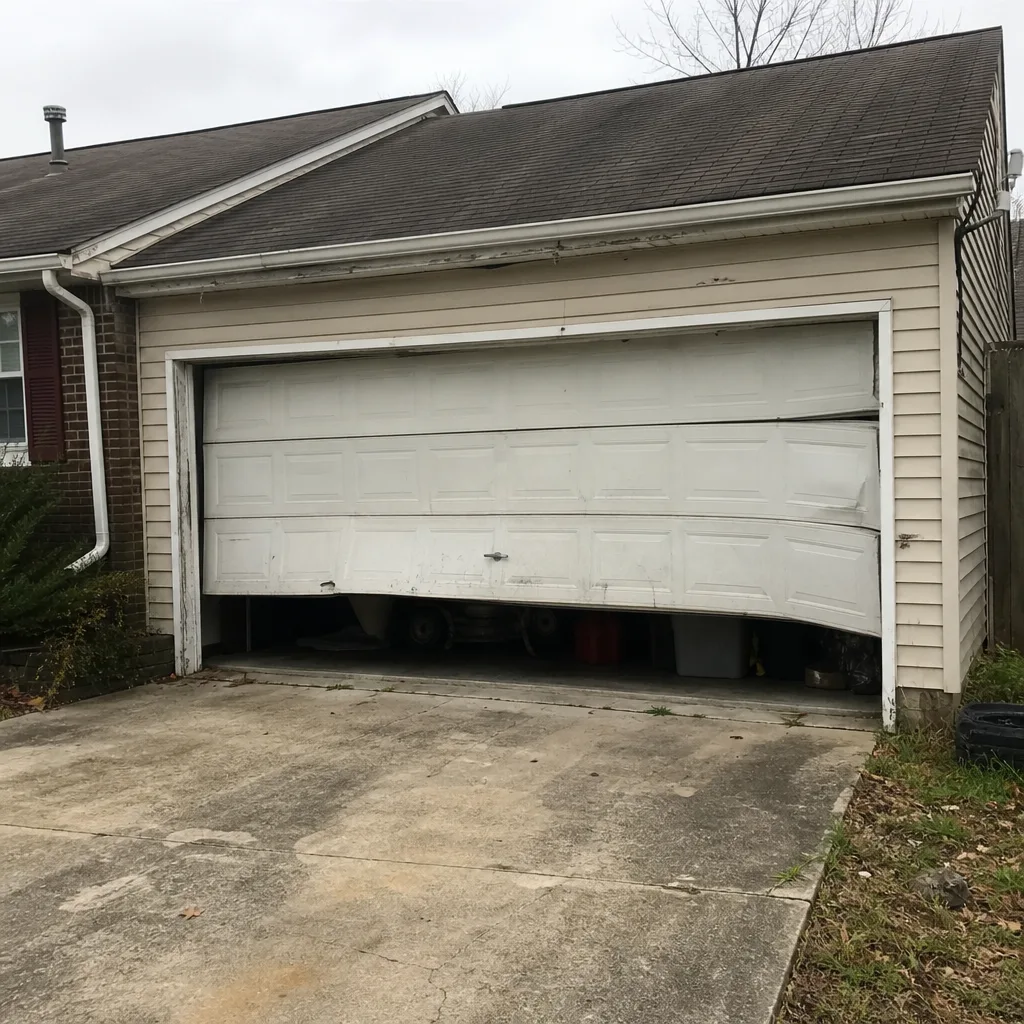 Before
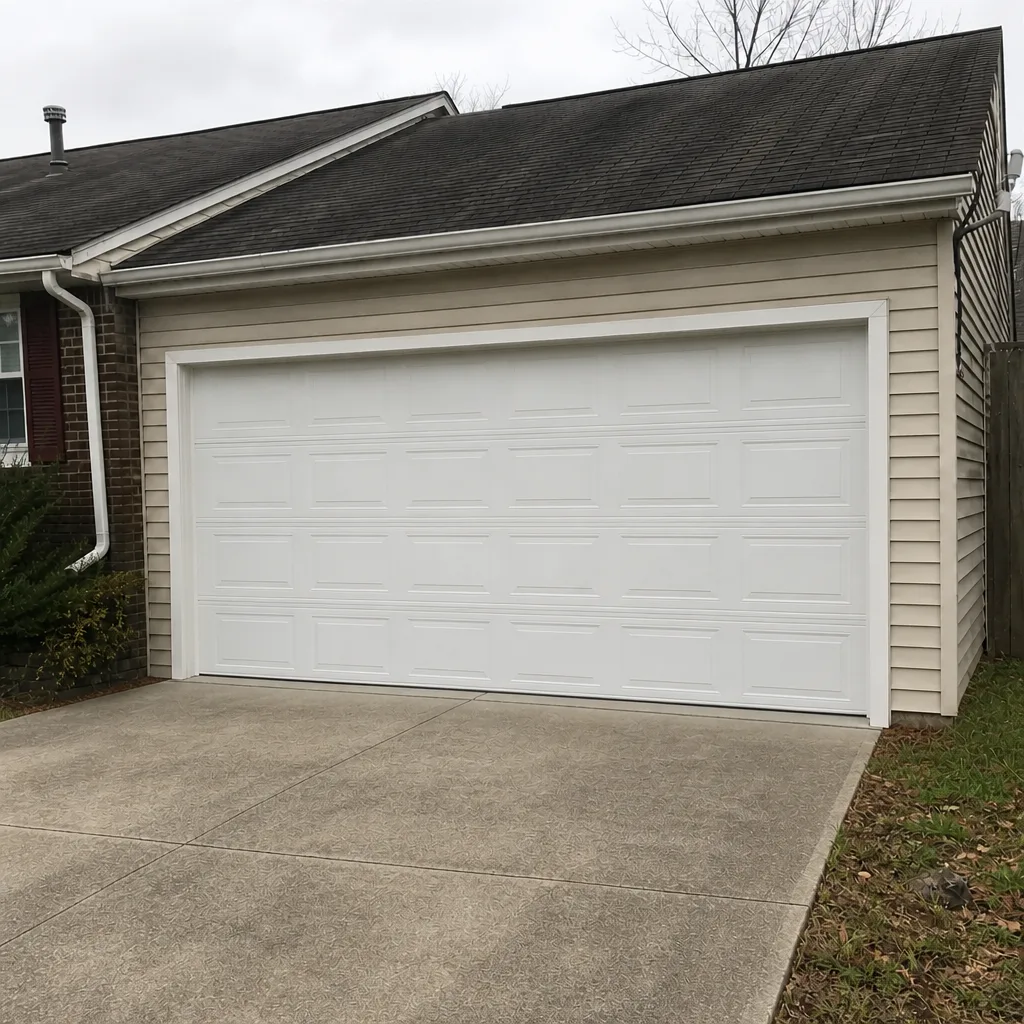 After
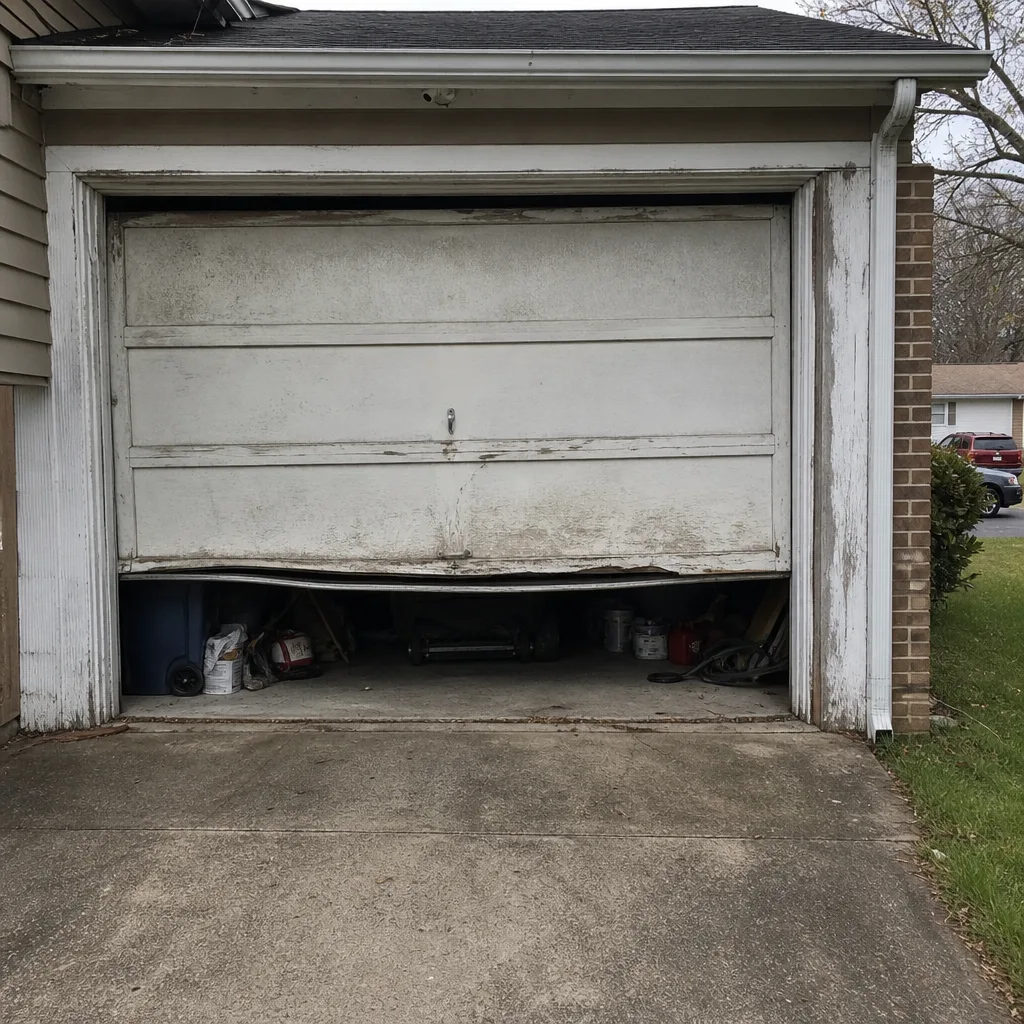 Before
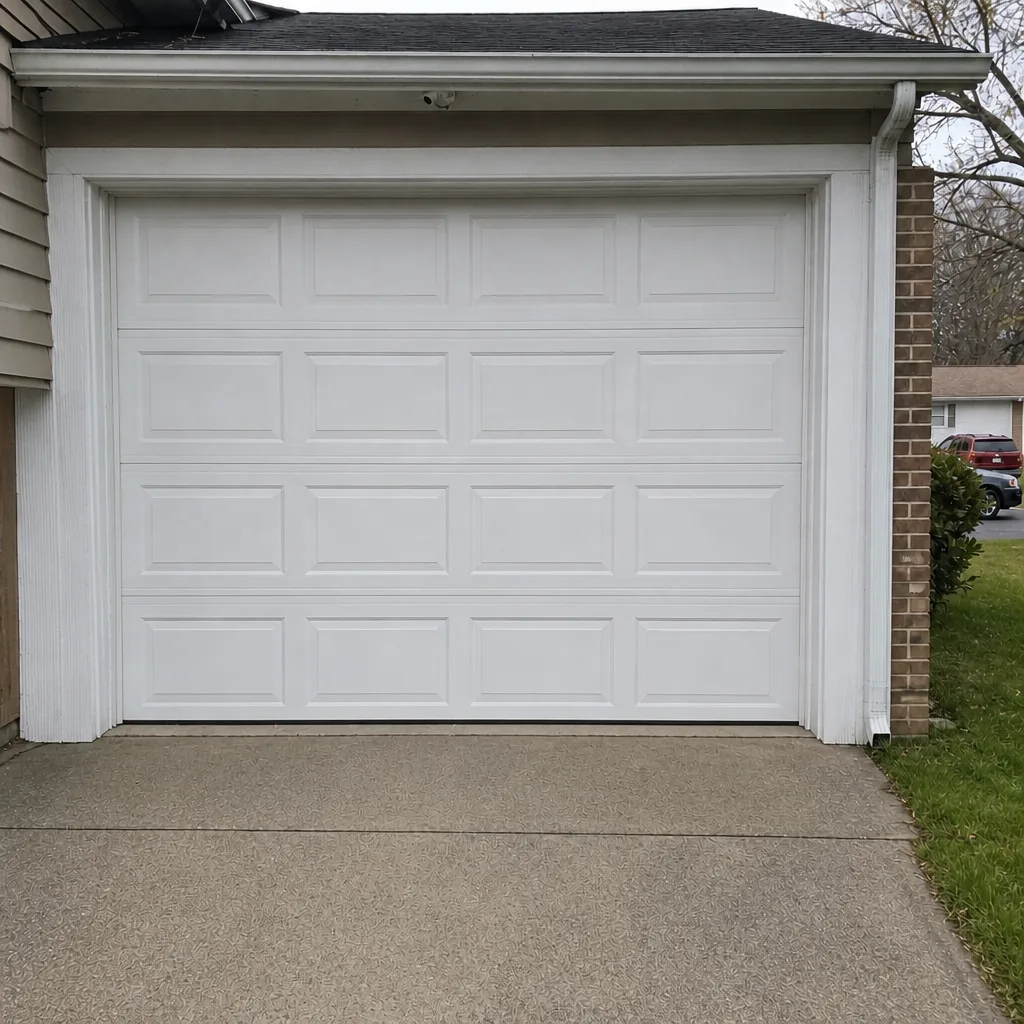 After
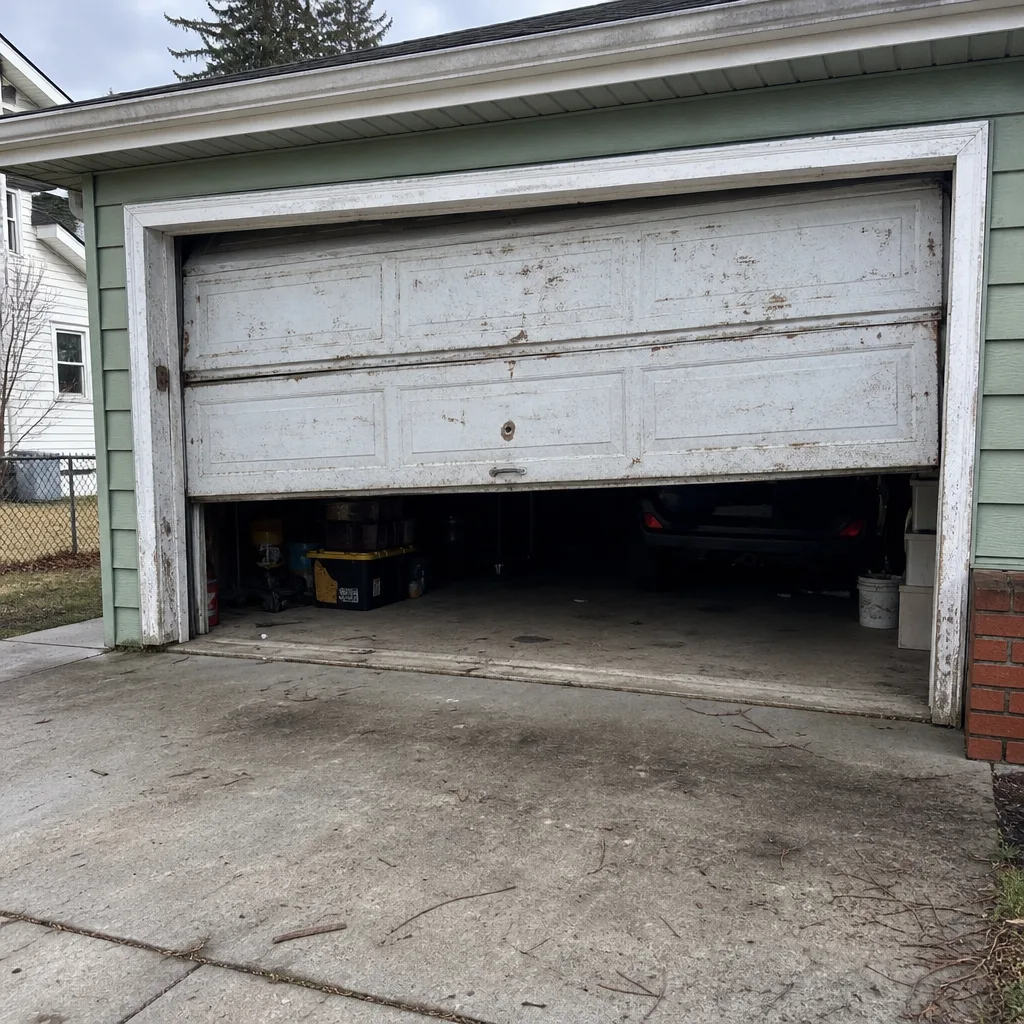 Before
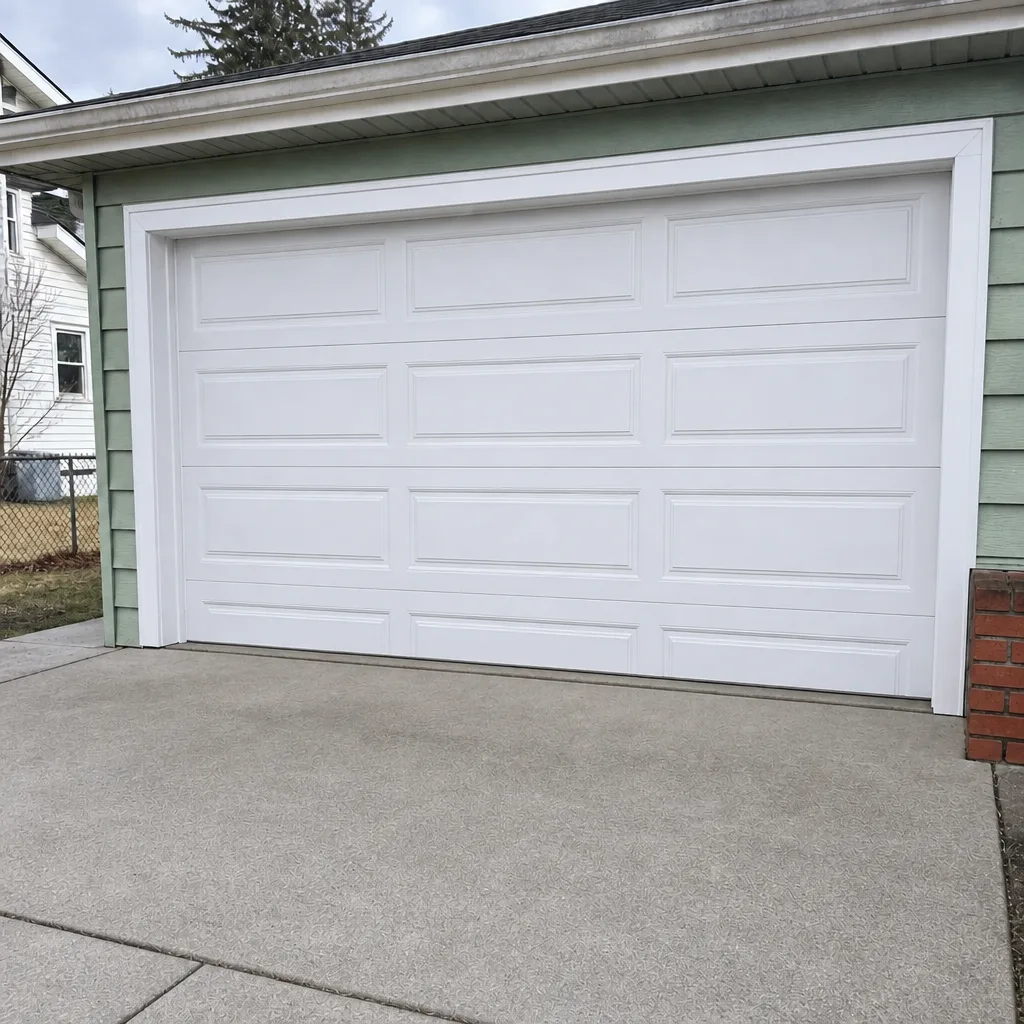 After