
Last updated November 14, 2026
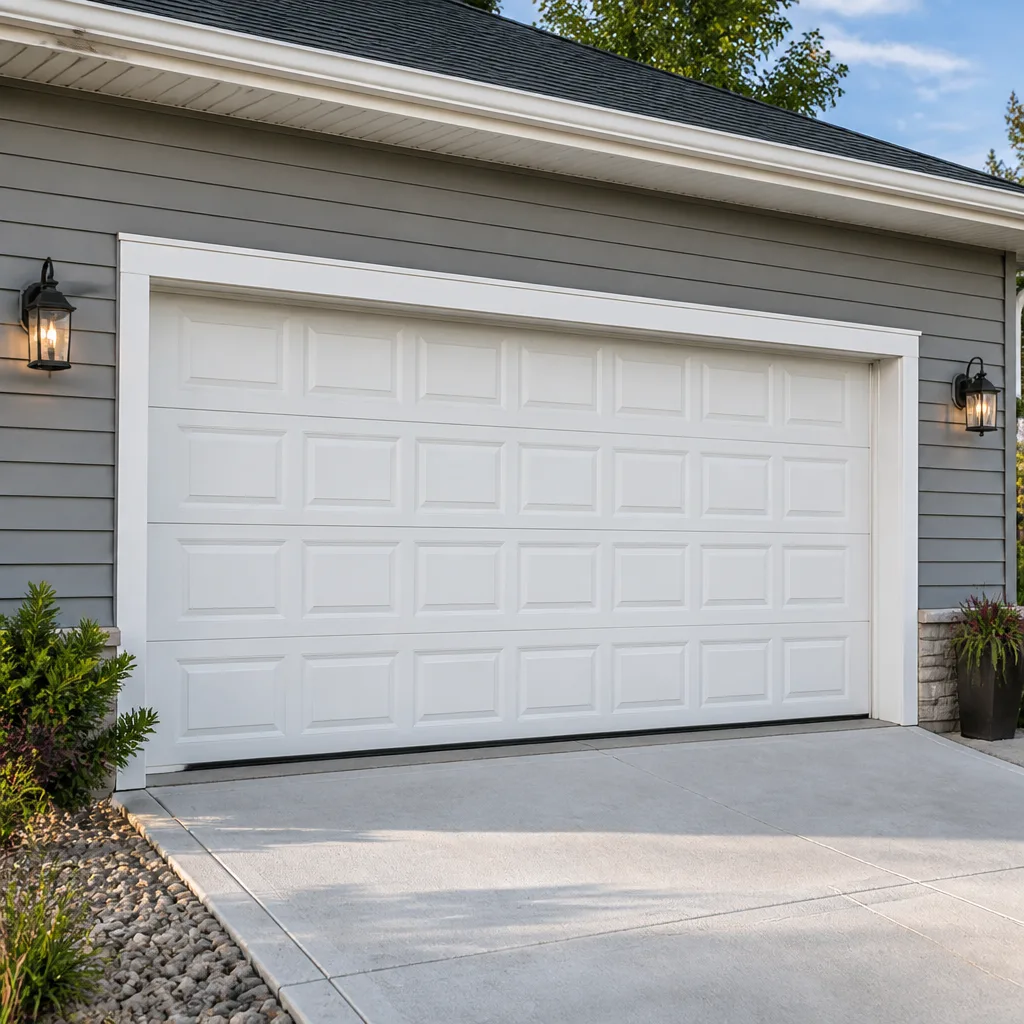 Raised-panel steel
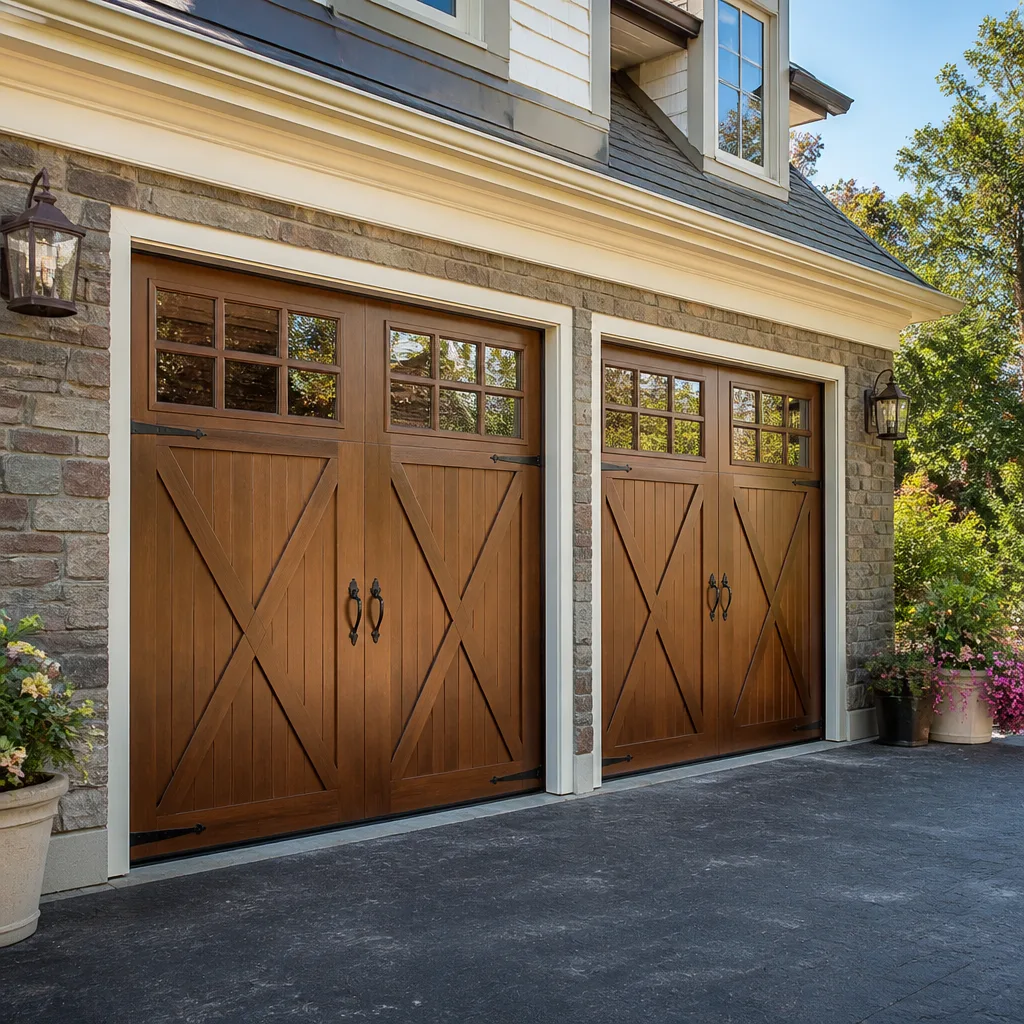 Carriage house
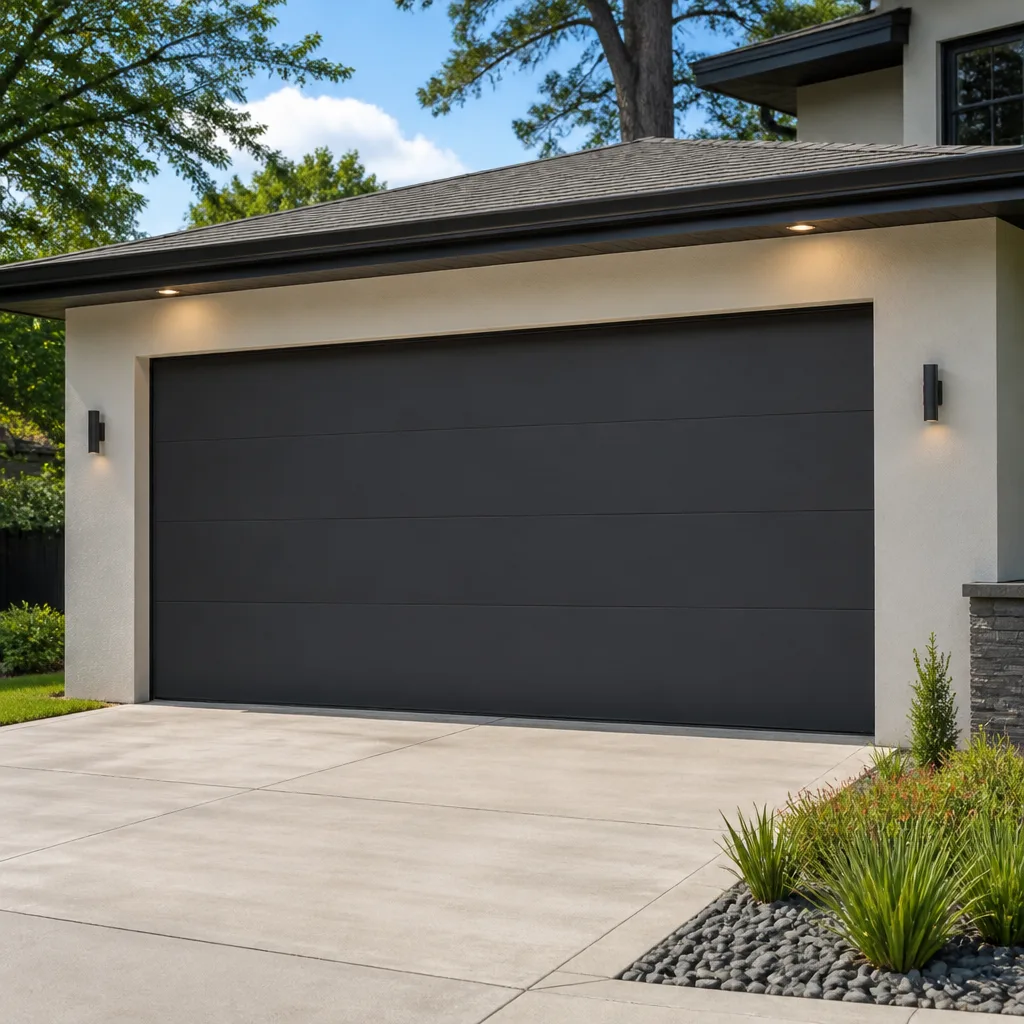 Modern flush
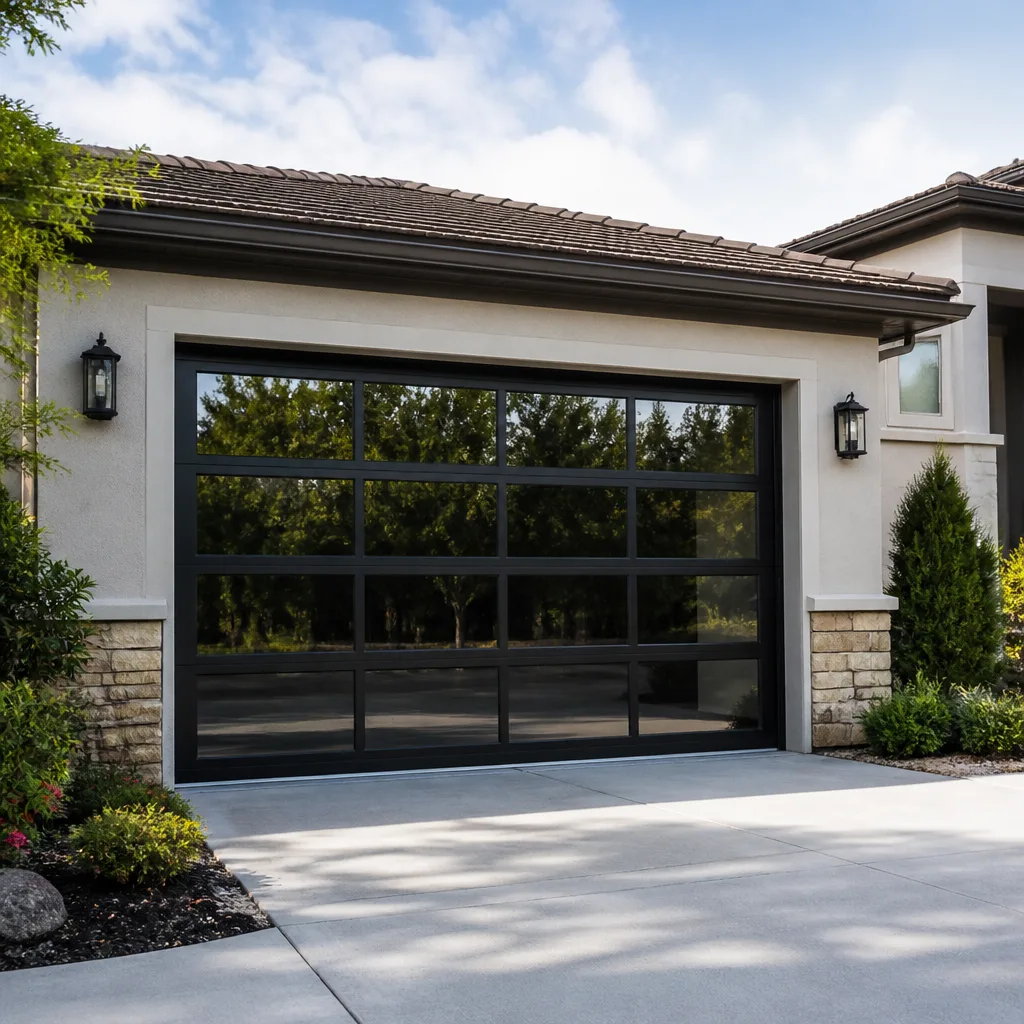 Full-view glass
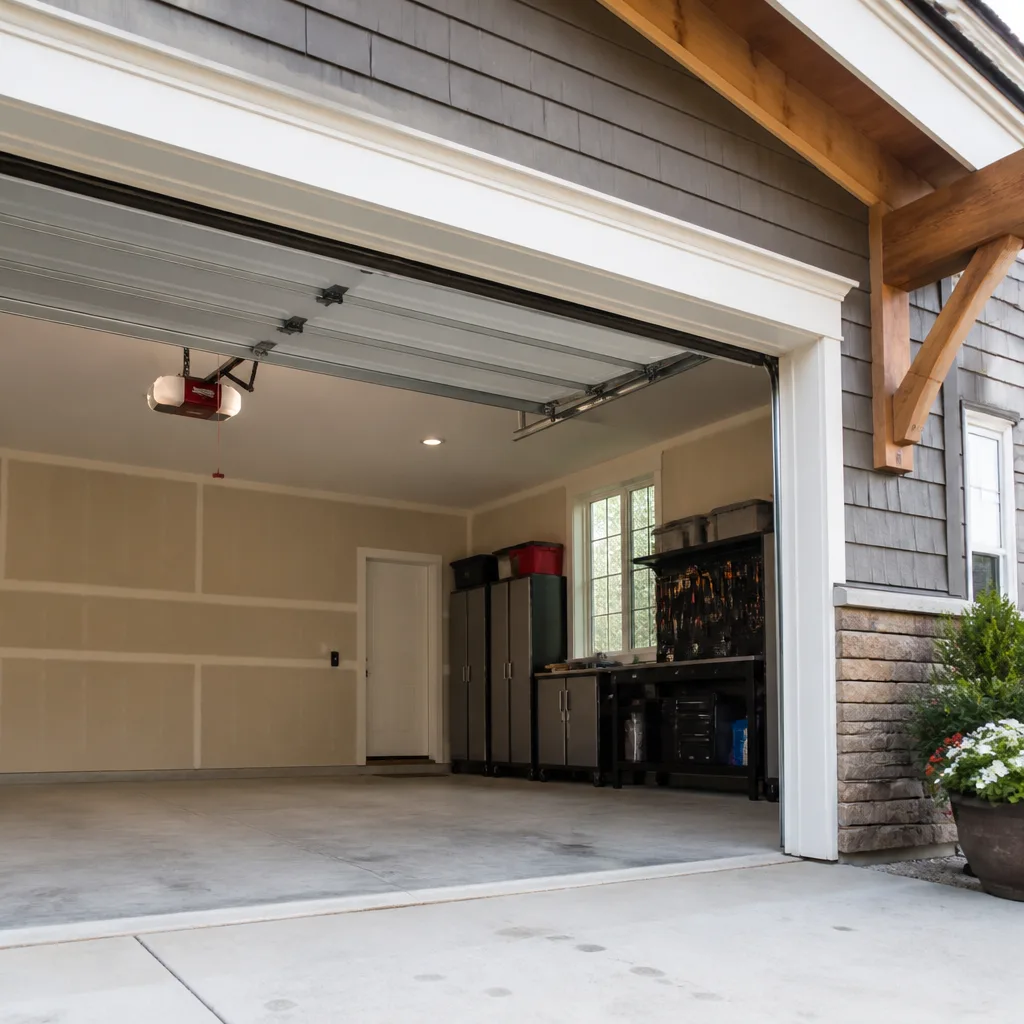 LiftMaster openers
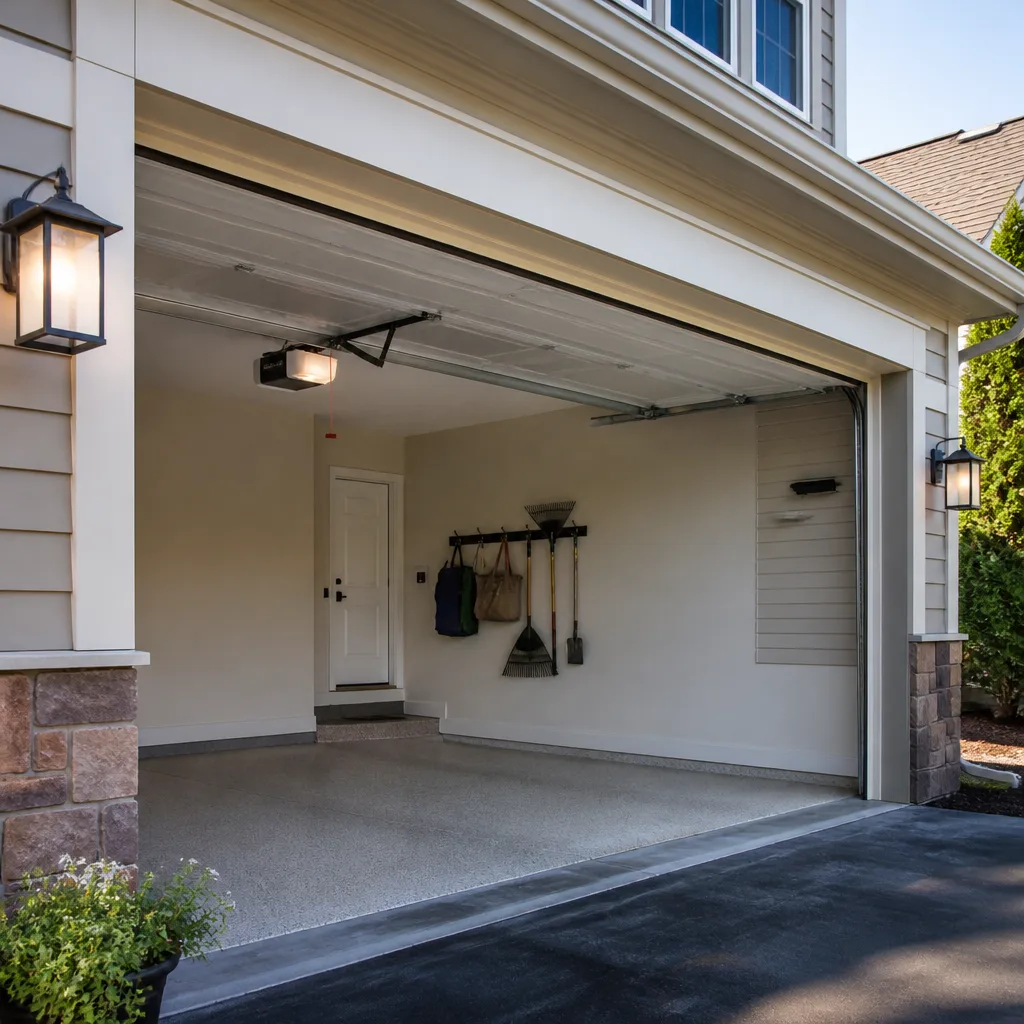 Chamberlain openers
Full 25-point door and opener safety check with every visit - springs, cables, rollers, tracks, and your LiftMaster or Chamberlain opener included
You get a price before we start. It does not change when the truck arrives.
Get your free estimateGarage Door Repair Maintenance Checklist for Newport News Homeowners
If you’ve been lubricating your garage door hinges with WD-40, you’ve been slowly working against yourself. That spray is a solvent, not a grease. It cuts through grime, then evaporates and leaves the metal drier than it found it, which is exactly the wrong outcome on a door that cycles several times a day. The same goes for silicone spray on hinges and rollers: it feels slippery for a week, then the hardware starts to squeal and grind again. In this guide we’ll lay out the maintenance checklist we’d hand a Newport News homeowner if we only got one shot at it: what to check monthly, quarterly, and annually, which lubricants actually hold up, what only a technician should touch, and how to tell when routine upkeep has turned into a repair. Newport News homes have their own wear patterns, and this checklist is built around them.
Quick Answer
A garage door in Newport News stays reliable on a simple routine: white lithium grease on the moving parts every three months, an auto-reverse and balance test every month, and an annual technician inspection of the springs, cables, rollers, track, and opener. Check monthly and quarterly items yourself, but leave springs and cables to a trained professional. The most common failures we diagnose are worn rollers, track that’s drifted out of alignment, opener travel limits that need resetting, and snapped springs, in roughly that order.
Styles & brands we work with
- Raised-panel steel
- Carriage house
- Modern flush
- Full-view glass
- LiftMaster openers
- Chamberlain openers
Table of Contents
- Why Newport News Doors Need Their Own Checklist
- The Right Lubricants for Newport News Humidity
- Monthly Checks You Can Do Yourself
- Quarterly: Lubrication and Hardware Inspection
- Annual Inspection: What a Technician Looks For
- Testing Balance, Travel Limits, and Auto-Reverse Safely
- When Maintenance Crosses into Repair Territory
- Keeping a Component-by-Component Service Log
Why Newport News Doors Need Their Own Checklist
General maintenance guides assume a mild, steady climate. Newport News doesn’t quite cooperate. The summers here run hot and humid, and that humidity works its way into every hinge, roller, and pivot point on a door. The winters swing between mild spells and hard morning freezes, and a door that sits cold and stiff overnight gets a lot more friction on the first few cycles than it does in July. Wooden door panels and frame jambs expand and contract across that swing, which loosens the bolts that hold the track brackets in place. After enough seasons, a track that was perfectly plumb at installation will drift a fraction of an inch, and a roller will start to catch.
Most of the homes in this city are older, which adds another layer. A door installed in a house decades ago has probably had a spring or two replaced and an opener swapped, and those parts don’t wear at the same rate. An opener from a recent retrofit pushing a door with original steel rollers takes more strain than it was sized for. We see the effect as early opener motor wear and repeated travel-limit resets.
The neighborhoods don’t all wear the same way, either. In Hidenwood, the tree cover holds moisture longer on the north-facing side of a house, so a door there stays damp later into the morning than one out in the open. Port Warwick and City Center homes often have attached garages with doors facing the driver’s approach, which means more daily cycles and faster roller wear. Denbigh and midtown neighborhoods see more older hardware, so we spend more time on aged track, original bolts, and openers that are past their best years. The checklist below is written to catch the things those conditions break first.
The Right Lubricants for Newport News Humidity
White lithium grease is the right choice for the moving parts on almost every garage door in Newport News. It’s a thick grease that clings to metal instead of running off, and it holds its body through the summer humidity that a lighter oil or a silicone spray can’t handle. Where a spray-on silicone will slick a hinge for a week and then dry out, lithium grease stays where you put it for months and continues to cushion the metal-to-metal contact inside the hinge knuckle and on the roller stems.
Here’s what to use where:
- Hinges, roller stems, and pivot points: white lithium grease, applied sparingly with a small brush or a grease syringe into the joint.
- Roller bearings: a drop of light machine oil on the ones that have sealed bearings; grease on the stems.
- Track: none. The track should stay clean and dry. Grease on the track collects grit, and grit wears the roller wheels flat.
- Springs: a light coat of grease on torsion springs is fine if you keep it away from the winding cones. Have a technician apply it.
- Weatherstripping and the bottom seal: a small amount of silicone spray is the right call here, because rubber and vinyl want to stay pliable, not greasy.
Skip WD-40 and any general-purpose penetrating oil on the moving parts. Both are useful fluids, but neither is a lubricant for this job. The solvent in them is designed to break down grime, and on a garage door hinge it breaks down the factory lubricant too. Use them for rusted bolts on a car, not for the hardware that carries the door.
Monthly Checks You Can Do Yourself
The monthly check takes about ten minutes and it catches nearly all of the small stuff before it becomes expensive. Work through these in order:
- Watch and listen. Open and close the door from inside the garage and listen. A steady hum is good. Grinding, squealing, scraping, or a door that shudders its way up means something is catching.
- Test the auto-reverse. Place a roll of paper towels or a piece of 2×4 flat on the floor in the path of the door. Now close the door. It should reverse immediately on contact. If it doesn’t, stop and call a technician. This is a safety device.
- Check the photo-eye sensors. The two small lenses near the bottom of the track should have a steady light on both sides. A blinking light means an obstruction, a misalignment, or a sun glare issue on the receiving eye.
- Look at the cables and springs. Don’t touch them. Look. A torsion spring that’s broken will have a visible gap in the coil. A cable that’s off its drum will be slack or frayed. Either is a call to a professional.
- Check the seal along the floor and the sides. Run a finger along the bottom rubber. If it’s cracked or torn off, daylight will be coming through under the door and you’ll notice it in your heating and cooling bills.
Do this once a month and you’ll catch most issues before they show up as a stuck door on a weekday morning. The photo-eye test is the one to never skip, since the sensors are what keep a child or a pet out of a closing door.
Quarterly: Lubrication and Hardware Inspection
Every three months, add the lubrication pass and a hardware tightening to the monthly check. Start with the door down and the opener disconnected so you can move the door by hand. Then:
- Grease every hinge and roller stem. White lithium grease on each hinge knuckle. A light coat is enough; you’re lubricating the joint, not painting the hardware.
- Wipe the track clean. Use a dry cloth on the inside of the track and a mild soap solution on a rag if there’s visible buildup. Dry it completely. Don’t oil it.
- Check the bolts that hold the track brackets. Newport News summers swell wood, so the bolts that anchor the track to the jambs can loosen a turn or two over a season. Snug them up with a wrench. Don’t over-torque them.
- Inspect the rollers. Nylon rollers should look smooth and white. Steel rollers should be round and quiet. A roller that’s flat-sided, chipped, or noisy is a roller to replace. This is a job you can do yourself if you know what you’re looking at; have a technician point out the worn ones if you’re unsure.
- Check the opener’s drive. Belt, chain, or screw, check that the tension is right and there’s no slack. For a belt drive, a small amount of deflection is normal. For a chain, it should be snug but not tight.
If a door you’ve had for years is on its original rollers, or is a Clopay or Amarr with the builder-grade hardware from years ago, the quarterly pass is where we most often find the first sign that a component is ready to come out. Worn rollers are the single most common repair we do in Newport News, and catching them early is the cheapest fix on the whole list.
Annual Inspection: What a Technician Looks For
Once a year, have a technician do a full inspection. There are things that look simple on a checklist but are not safe to check yourself: measuring spring tension, checking cable tautness, verifying that the track is plumb and level to within a fraction of an inch, and testing the balance of the door. A trained technician can spot a spring that’s within a few weeks of failing without ever putting a wrench on it, and they can measure the cable wind on the torsion drum in a way that’s not worth trying at home.
The annual visit also lets a technician look at things that aren’t visible from the driver’s seat: the condition of the safety reverse mechanism at the opener, the state of the opener’s internal gears (especially on older Craftsman and Genie units), the alignment of the photo eyes, and the condition of the bottom seal and perimeter weatherstripping. Small problems in any of these produce the noisy, stubborn doors people live with for years when a simple adjustment would have fixed them.
What we look at first on a Newport News door is the opening sequence: how the door moves off the floor, and whether it runs smooth in the middle of the travel. A door that starts stiff and smooths out as it rises is telling you about the track and the roller load. A door that jerks at the top of the travel is a sign of an opener limit or gear issue. The report from that inspection becomes the backbone of the maintenance log below.
Testing Balance, Travel Limits, and Auto-Reverse Safely
You can test the balance and travel of your door yourself if you’re careful, and this is worth doing every few months. Here’s how:
- Disconnect the opener. Most openers have a manual release cord you pull to disconnect the trolley. Pull it while the door is down.
- Lift the door to about waist height and let go. A balanced door stays where you leave it. If it falls, the springs are too weak. If it rises, they’re too strong. Either one is a spring adjustment, not a DIY job.
- Check the opener’s travel limits by running the door with the remote and watching where it stops. The opener should not strain against the header on the way up or against the floor on the way down. Both are adjustable on the opener unit itself, and the manual for your model (LiftMaster, Chamberlain, Genie, Craftsman, and Raynor all have their own procedures) explains where the adjust screws are.
- Test the auto-reverse as described in the monthly section, both with the object in the path and with a firm hand on the closing door edge. The door should reverse cleanly and promptly.
One caution: avoid testing balance or travel limits on a door whose spring or cable has visibly failed. If you see a gap in a torsion spring, a slack cable, or an off-track door, stop. Don’t run the opener. Don’t try to lift the door by hand. Springs and cables are under enormous tension, and a release or a slip can cause serious injury. That’s a job for a trained professional, and it’s one where the right answer is to call before touching anything.
When Maintenance Crosses into Repair Territory
The line between maintenance and repair is clearer than it looks. These are the signs we tell customers to stop and call:
- A visible gap in a torsion spring. The spring is broken, and no amount of grease will bring it back. Stop using the door.
- Slack or frayed cables. A cable that’s off the drum or has a broken strand is a safety problem. Don’t cycle the door.
- A door that comes off the track. Even a single roller popped out of the track is a repair, not a lubrication problem.
- The opener strains, hums, or trips its breaker. This could be a gear, a capacitor, or a drive problem. It’s rarely the lubrication.
- The door reverses for no reason, or doesn’t close fully. Usually a photo-eye or travel-limit issue, occasionally a logic board.
- The door is visibly sagging at a panel corner. That points to bent hinges, a bad section, or a structural problem in the header.
When you see any of these, stop doing routine maintenance on the door. Don’t keep cycling it, don’t add grease to the springs, and don’t try to realign the track yourself. That’s the moment to book a repair. Our garage door repair team handles springs, cables, tracks, rollers, and panels on nearly every major brand, and it’s the kind of work that’s cheaper when it’s caught early.
Keeping a Component-by-Component Service Log
The single best thing you can add to your maintenance routine is a written log that records what happened by component, not by date. Most people jot down “fixed the door on March 15.” That’s not very useful five years later. A component log tells you the roller was replaced at the same time as the spring on the right side, which is the kind of record that makes a technician’s job easier and lets you see which parts tend to wear together.
Here’s a simple way to structure it. Use a notebook, notes app, or a spreadsheet, and give each row these columns:
- Date and cycle count (approximate). How many times a day the door is opened, times the number of days, gives you an idea of wear.
- Component. Left torsion spring, left cable, bottom rollers, hinge set, opener.
- What was done. Greased, adjusted, replaced.
- Who did it. You, or the technician.
- Notes. “Springs were a matched pair” or “roller stem was worn, replaced both bottom rollers.”
Keep the log inside the garage, on the wall near the opener. When the annual technician visit comes, a written record of what has been greased, what has been replaced, and when is worth more than a memory. And if you ever sell the house, the log is documentation that the door has been cared for, which is a small but real point in the buyer’s inspection. If you’re planning to replace the door rather than maintain it, the log also tells the next owner what to keep doing. Whether it’s a broken spring, a stubborn opener, or a full replacement, our Whitman Garage Door Repair team can read a log like this and know what to look for before we even see the door.
Common Mistakes to Avoid
- Lubricating the track. The track should stay dry. Grease on the track collects grit, wears the roller wheels, and produces the grinding noise most people are trying to eliminate in the first place.
- Using WD-40 as a lubricant. It’s a solvent, not a grease. It clears grime off the hinge and then leaves the metal unprotected, so the joint wears faster. Use white lithium grease instead.
- Testing balance on a door with a broken spring. The springs carry the weight. On a door that’s already failed, disconnecting the opener can cause the door to fall. Check visually for a broken spring before you release the opener, and stop if you see one.
- Trying to adjust the tension on a torsion spring yourself. The winding cones and bars store enough energy to injure a person badly. This is the one part of the door you should never work on without a trained professional on site.
- Ignoring a single noisy roller. Newport News humidity wears the bottom rollers first, and a flat-sided roller puts extra strain on the spring, the cable, and the opener. Catch it early and the repair is cheap. Ignore it and the wear spreads.
- Running a misaligned door because it “still opens.” A door that’s off the track will wear the rollers and the hinge brackets in a hurry. It’s easier to fix while it’s still a minor adjustment.
- Forgetting the photo-eye check. It’s the single most important safety feature on the door. A dirty lens or a sun-glare problem can make the door close on a person or a pet. Clean the lenses, test with the paper-towel method, and if it doesn’t respond, book a call.
See the difference
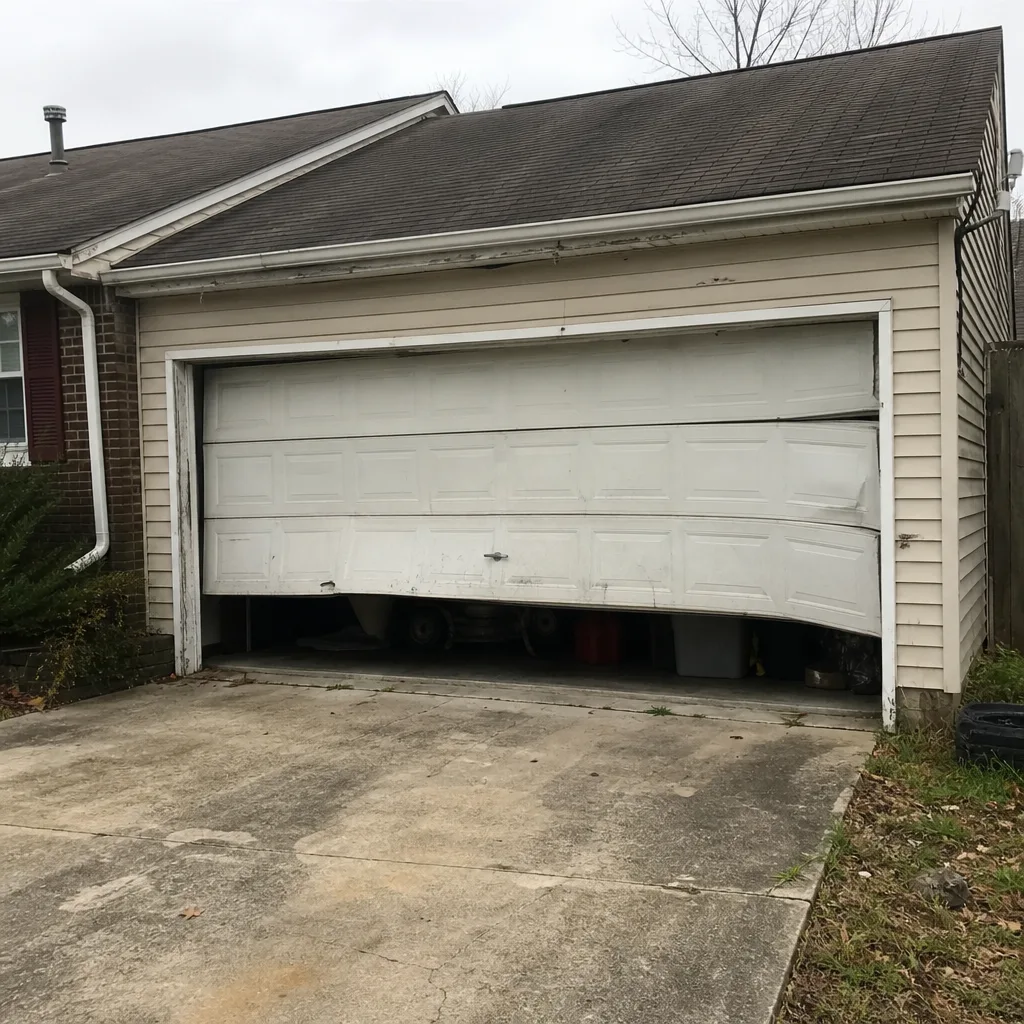 Before
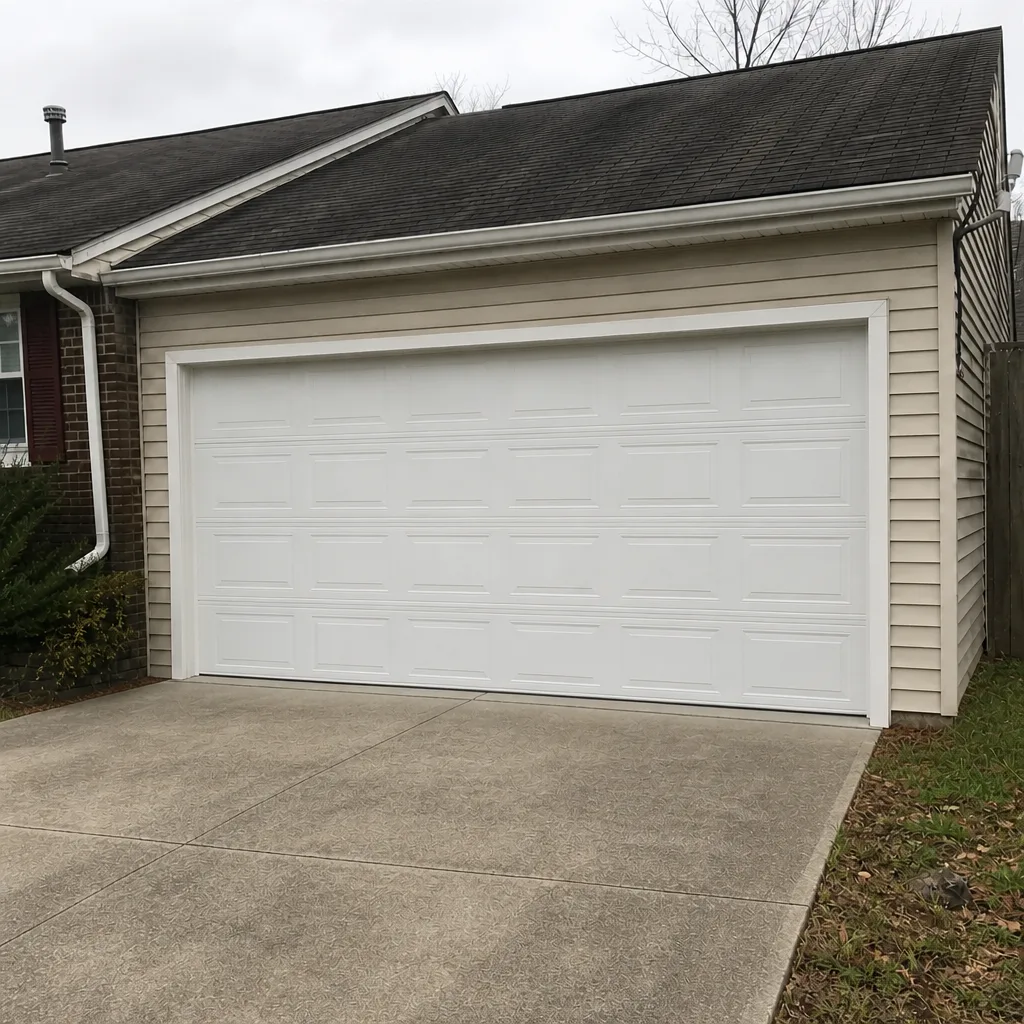 After
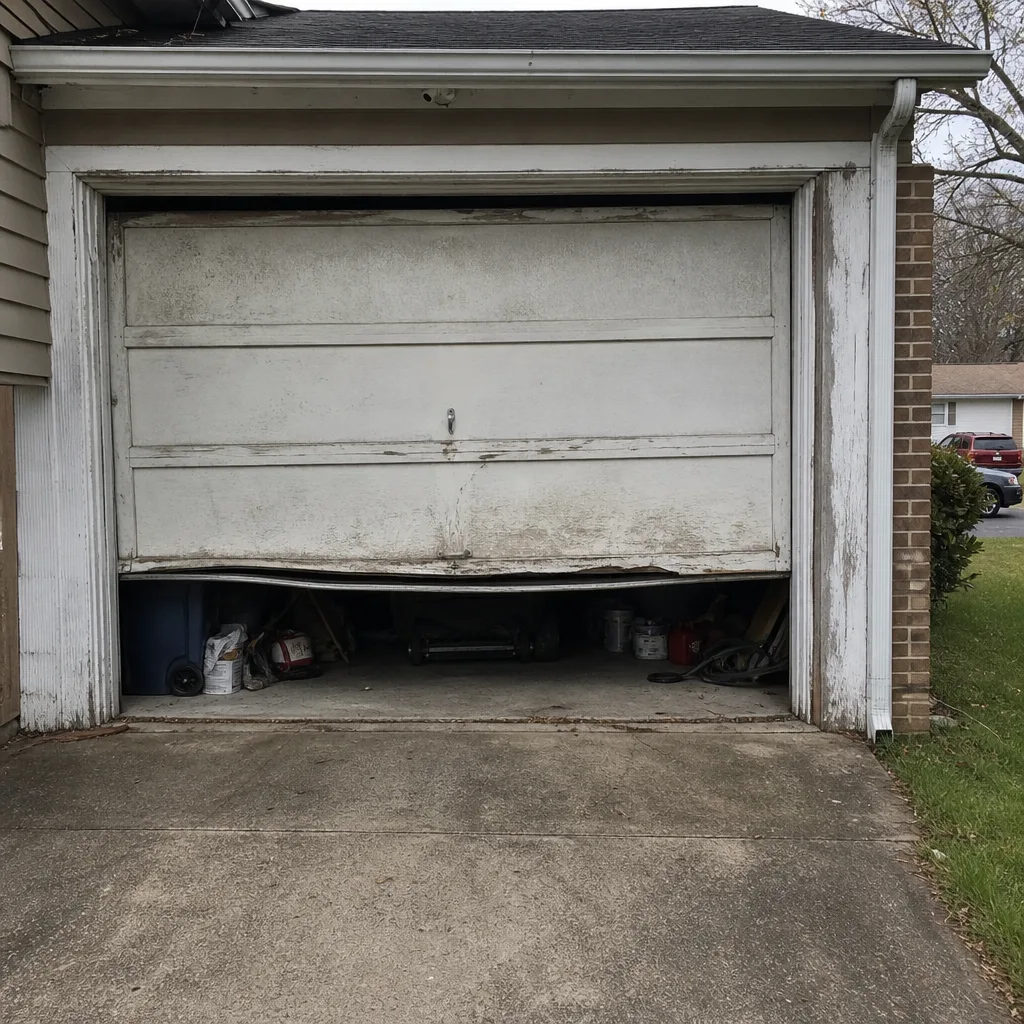 Before
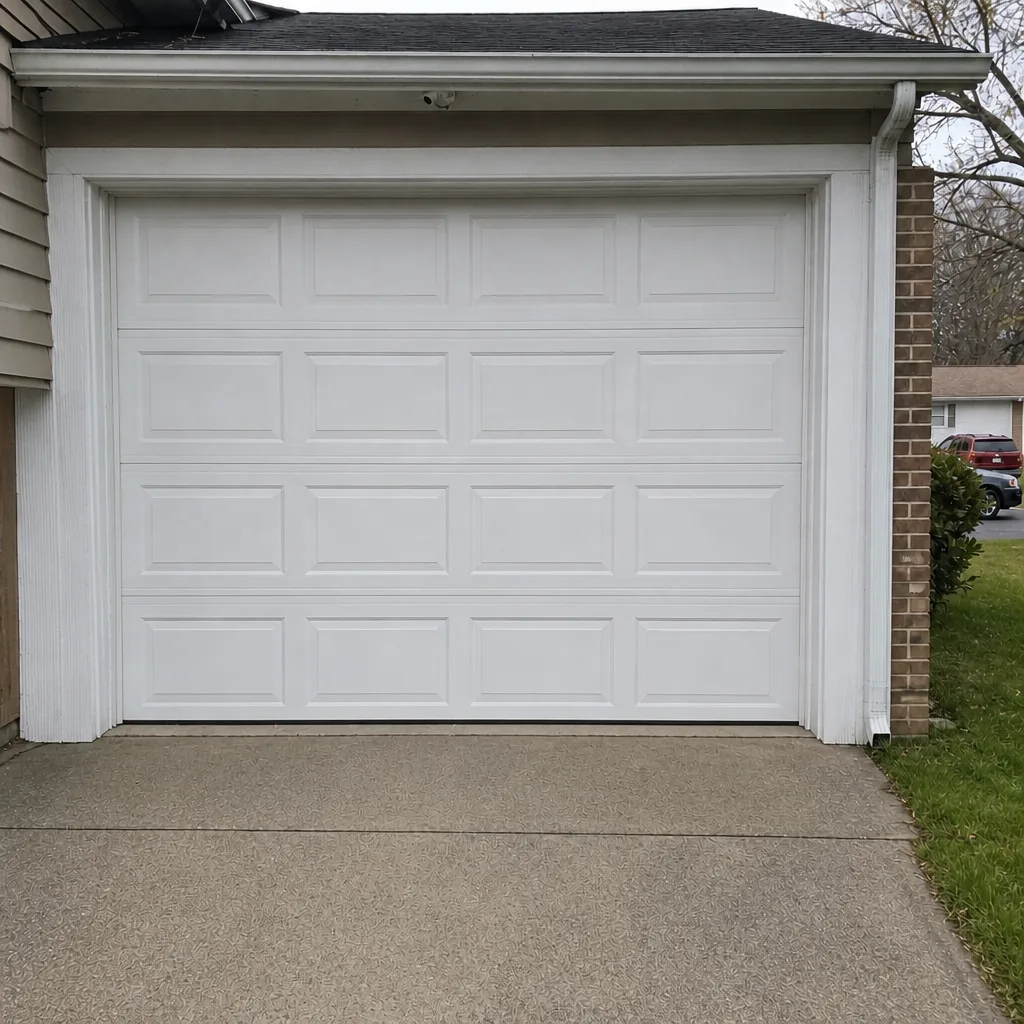 After
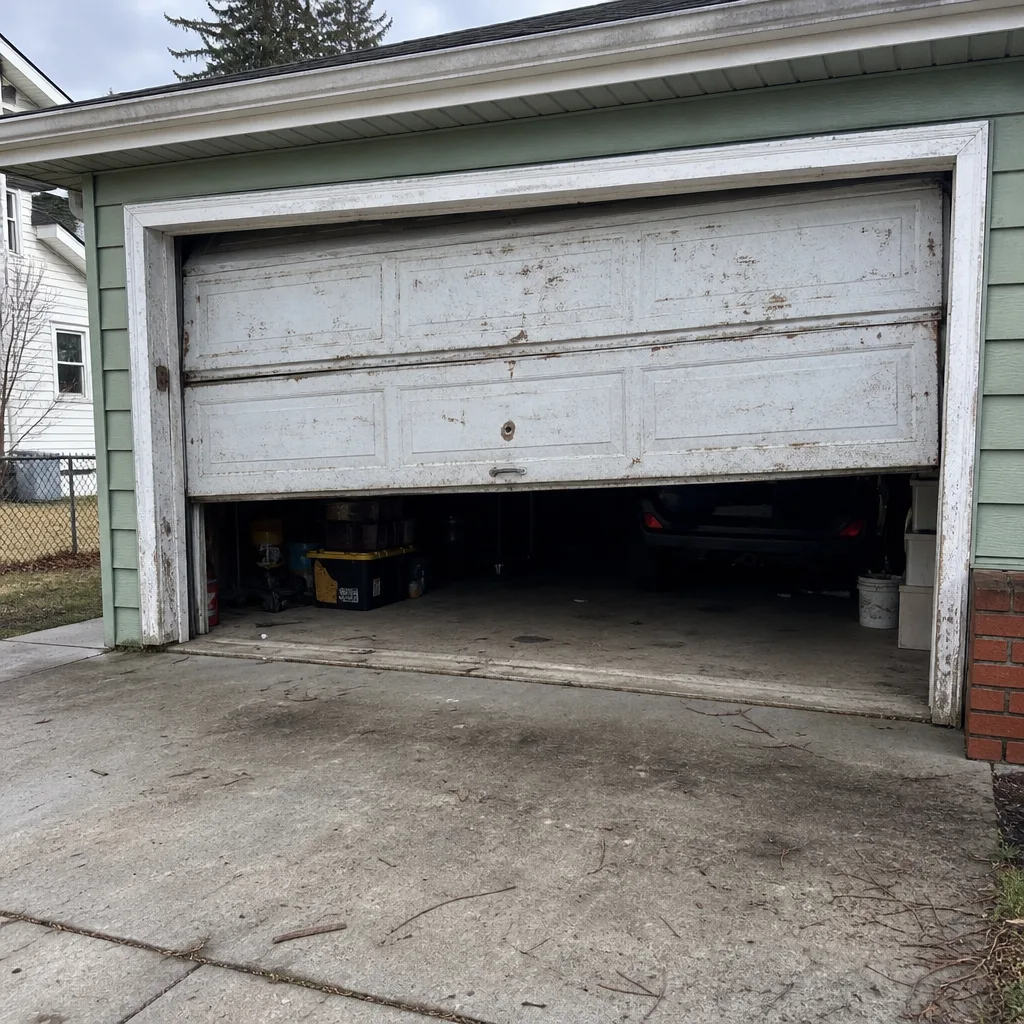 Before
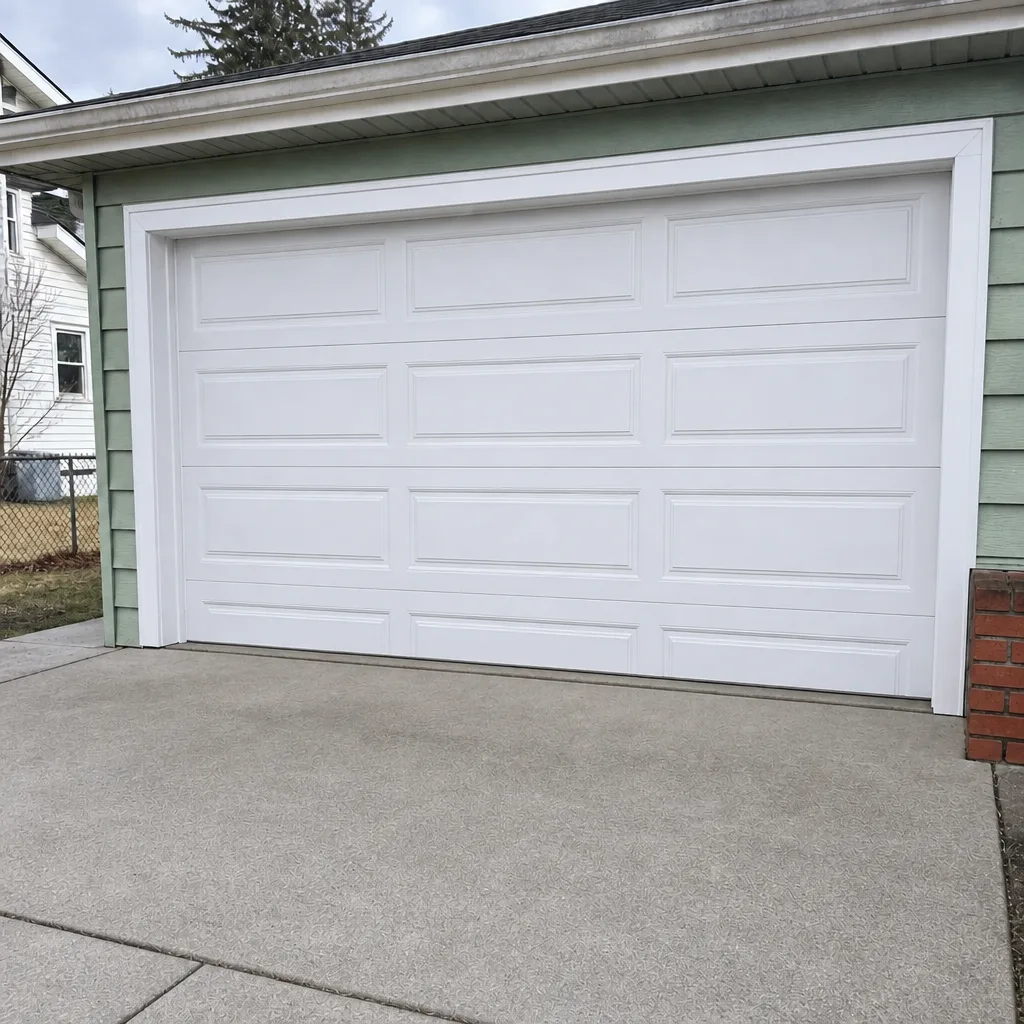 After
When to Call a Professional
Call a professional if the spring is broken, the cable is loose or frayed, the door is off the track, the opener is straining or refusing to run, or if the auto-reverse fails on your monthly test. If you’re not sure, call and describe the symptom; a short conversation will tell you whether it’s maintenance or a repair. We work on LiftMaster, Chamberlain, Genie, Clopay, Amarr, Wayne Dalton, Craftsman, and Raynor, so there’s a good chance the door and opener in your garage are ones we’ve handled a hundred times. Whitman Garage Door Repair offers free estimates in Newport News. Call (888) 967-0166. We answer 24/7. Fast dispatch from 7am to 7pm, Sunday through Friday.
Frequently Asked Questions
Every three months is the right frequency here. Use white lithium grease on the hinges, roller stems, and pivot points, and keep the track clean and dry. The summer humidity and winter temperature swings in Newport News work against lighter lubricants, so grease outperforms sprays for most of the year.
Yes. Place a roll of paper towels or a 2×4 flat on the floor under the closing door. It should reverse on contact. If it doesn’t, stop using the door and book a service call. Test it monthly, and check the photo-eye sensors at the same time.
Noise usually comes from dry hinges, flat-sided rollers, or a track that’s picked up grit. Humidity and temperature swings in Newport News accelerate this. White lithium grease on the hinges and a clean track handle most of it. If the noise continues after lubrication, one of the rollers or the opener needs a technician’s eye.
Springs and cables. The torsion springs and the cables are under high tension, and a mistake can cause serious injury. All other parts, including roller replacement and track cleaning, are practical for a homeowner who’s careful.
If the spring is broken, the cable is slack or frayed, the door is off the track, the door reverses for no reason, or the opener strains without moving the door, it’s a repair. Stop cycling the door and book a call. If it’s just noisy or needs a roller swap, it’s maintenance.
Yes. We work on Clopay, Amarr, Wayne Dalton, LiftMaster, Chamberlain, Genie, Craftsman, and Raynor. That covers most of what’s installed in Newport News homes. Call (888) 967-0166 and describe the door; we’ll tell you what to expect on arrival.
The Bottom Line
Garage door maintenance in Newport News comes down to three habits: grease the moving parts with white lithium every three months, test the auto-reverse and balance every month, and book a technician’s inspection once a year for the parts you shouldn’t touch. Stop using the door the moment you see a broken spring, a slack cable, or a door off the track. Keep a component log, and you’ll know what’s been replaced and when. That log and the routine save more repair cost than any single fix. We handle the parts you’d rather not: springs, cables, openers, and full door replacements on the brands you already own. If you need us, our garage door opener repair team and our door specialists are here for Newport News homeowners. Call (888) 967-0166. We answer 24/7. Fast dispatch from 7am to 7pm, Sunday through Friday. The written estimate sets the price, and nothing starts until you’ve agreed to it.
Written by the team at Whitman Garage Door Repair, serving Newport News since 2014.