
Last updated November 14, 2026
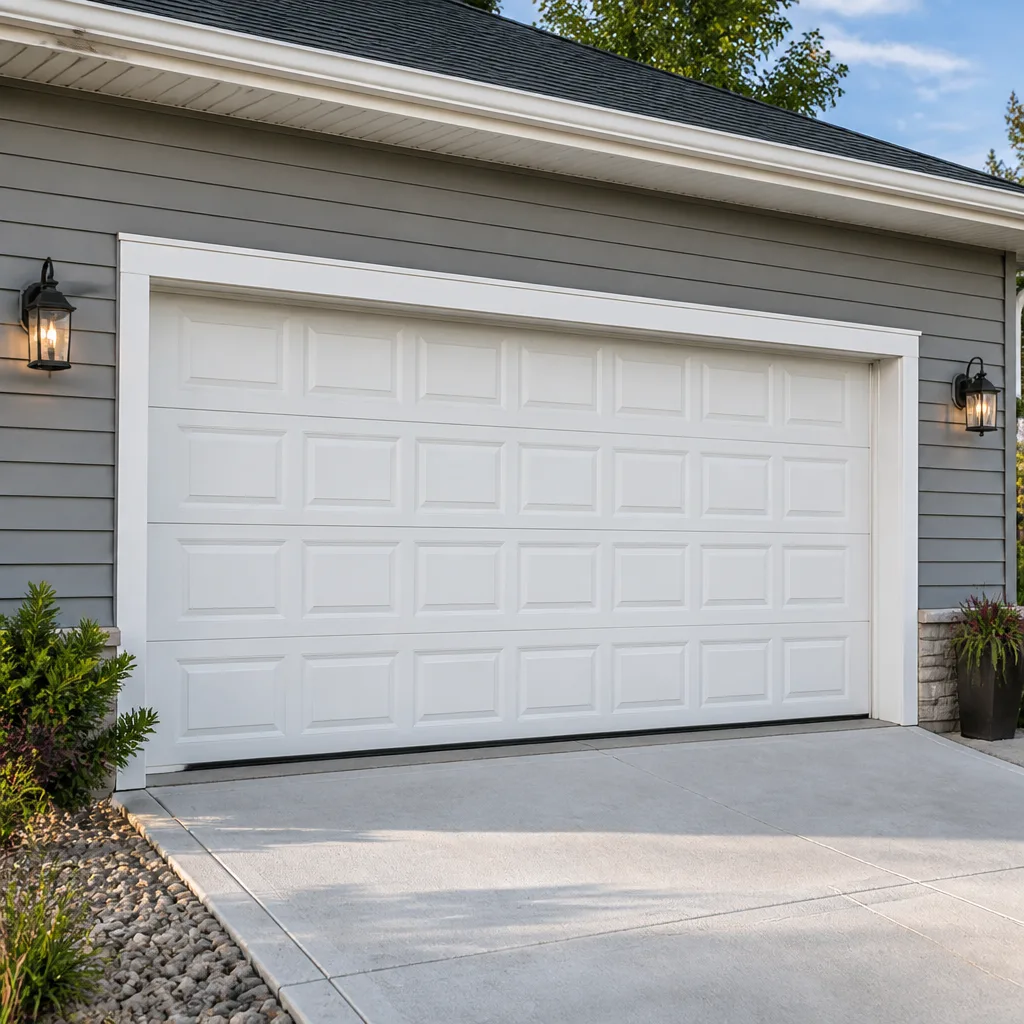 Raised-panel steel
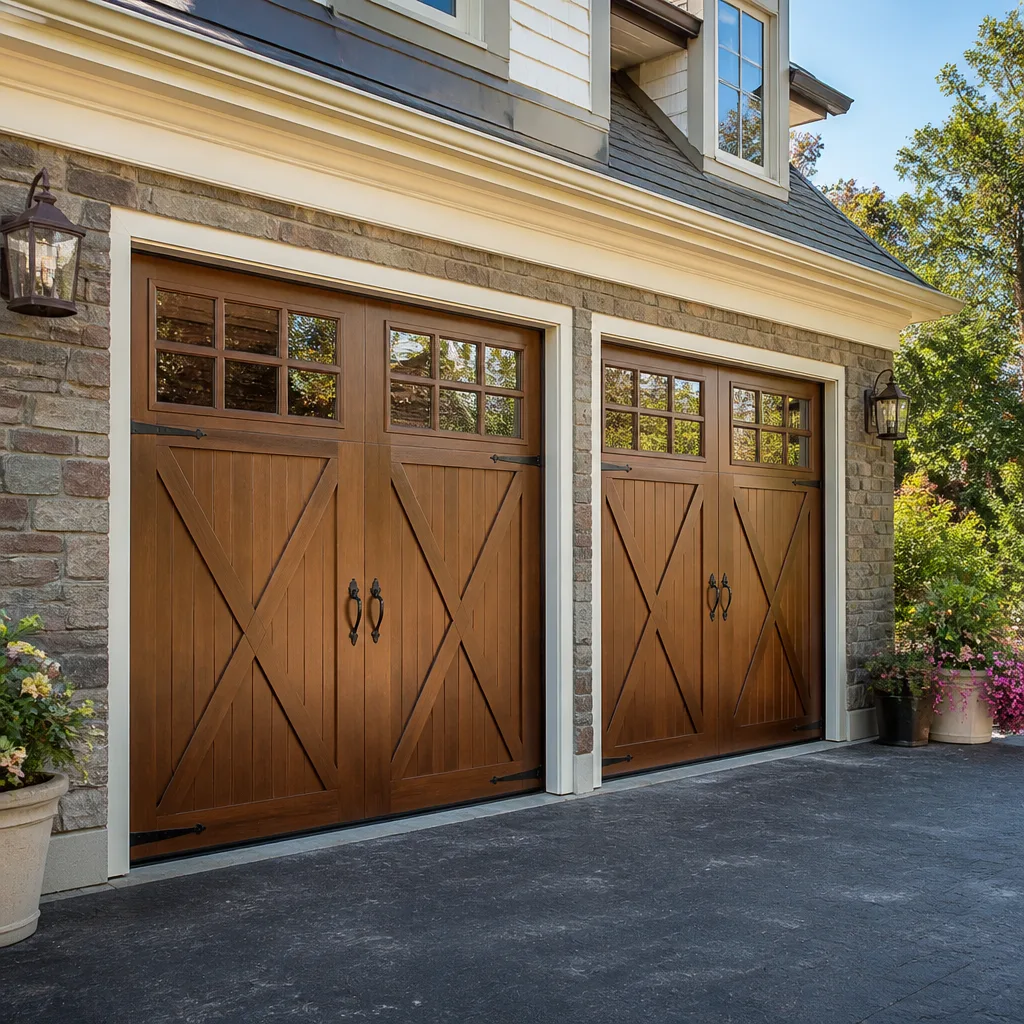 Carriage house
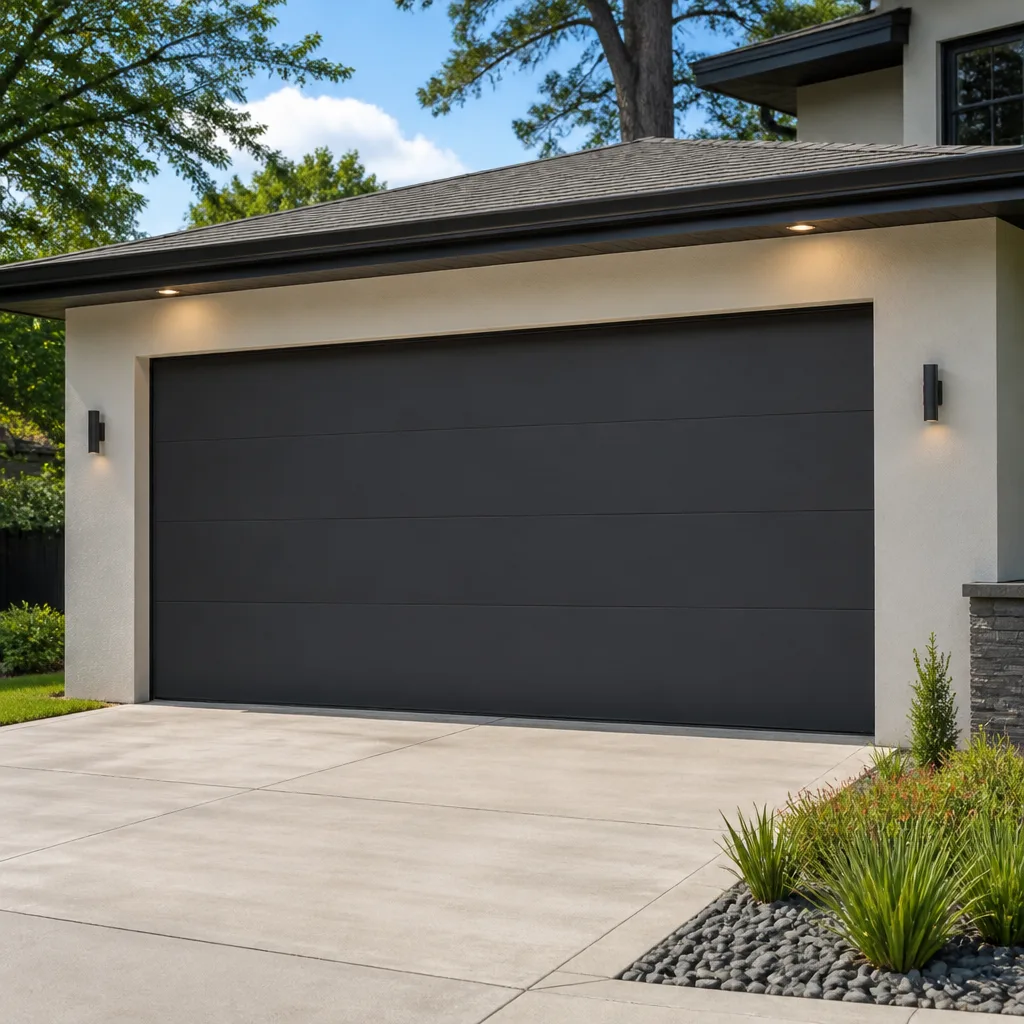 Modern flush
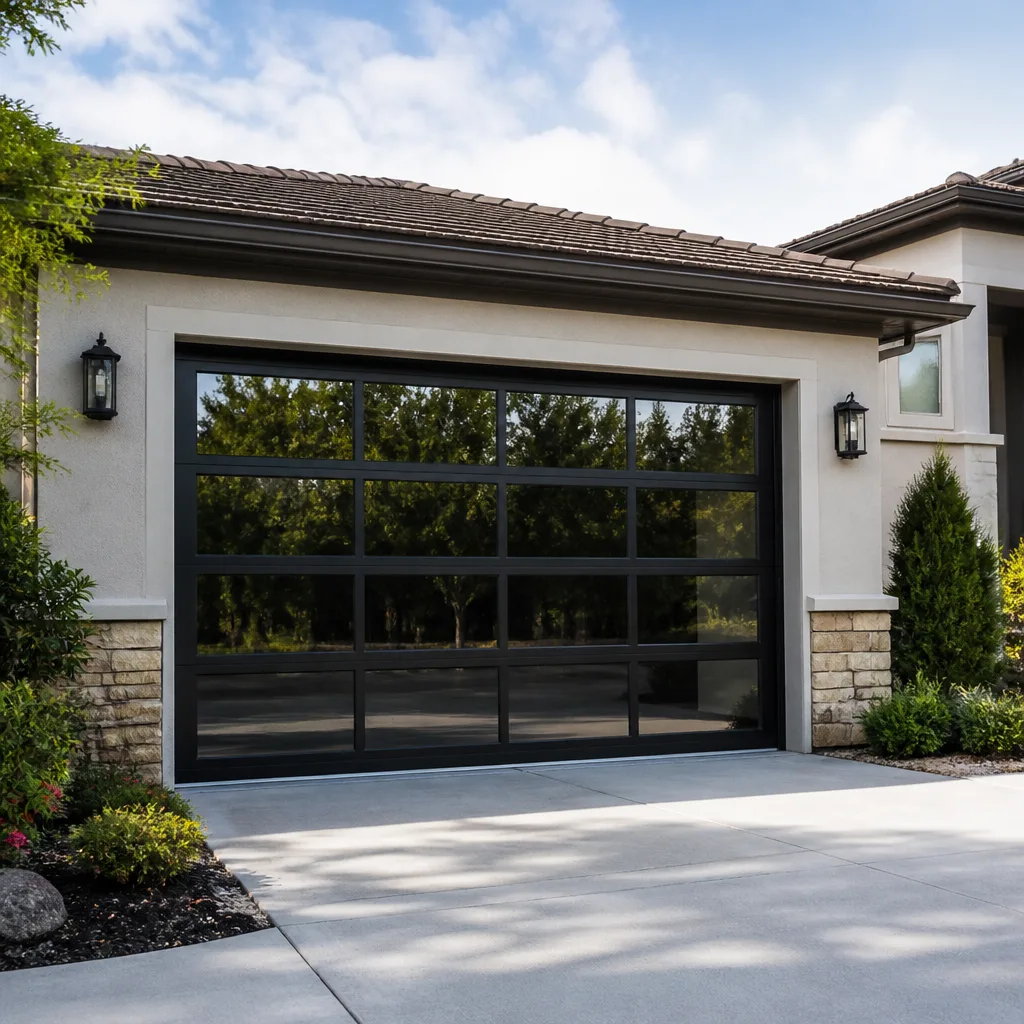 Full-view glass
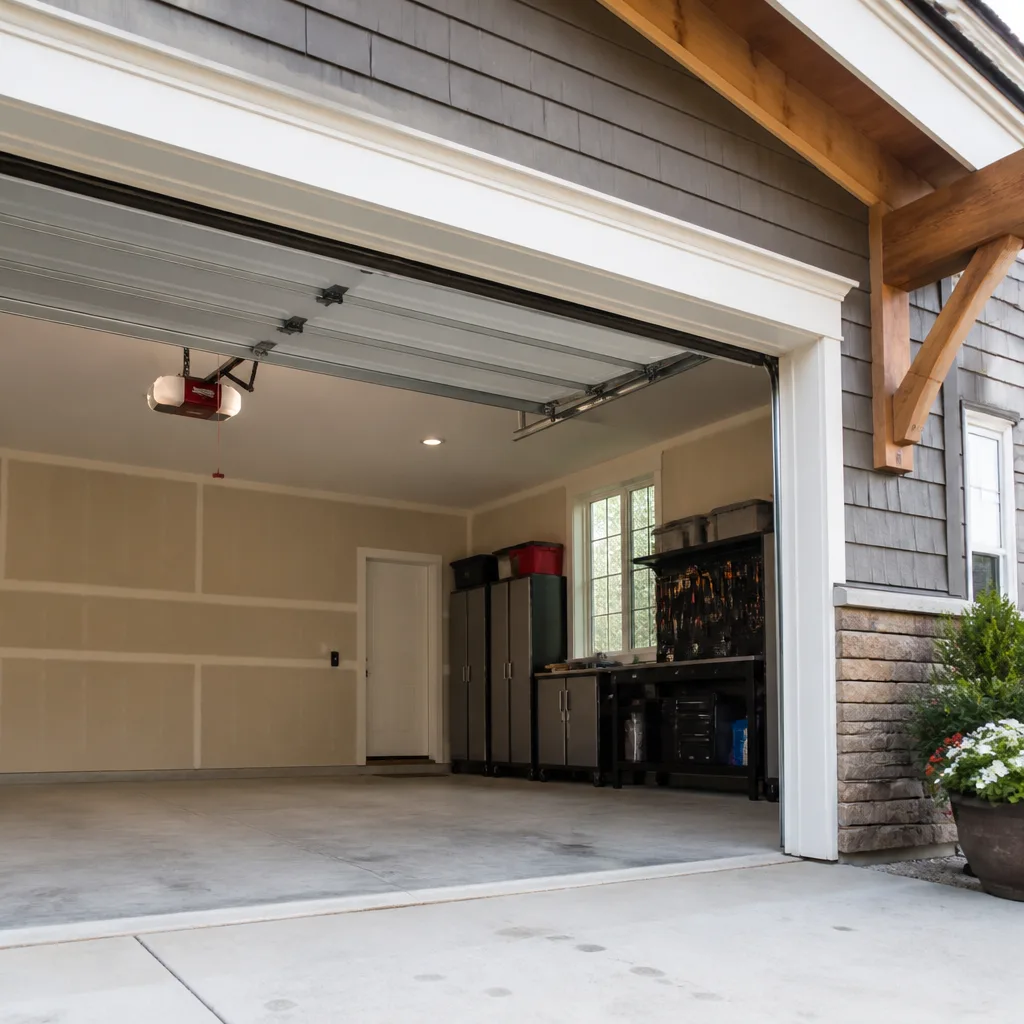 LiftMaster openers
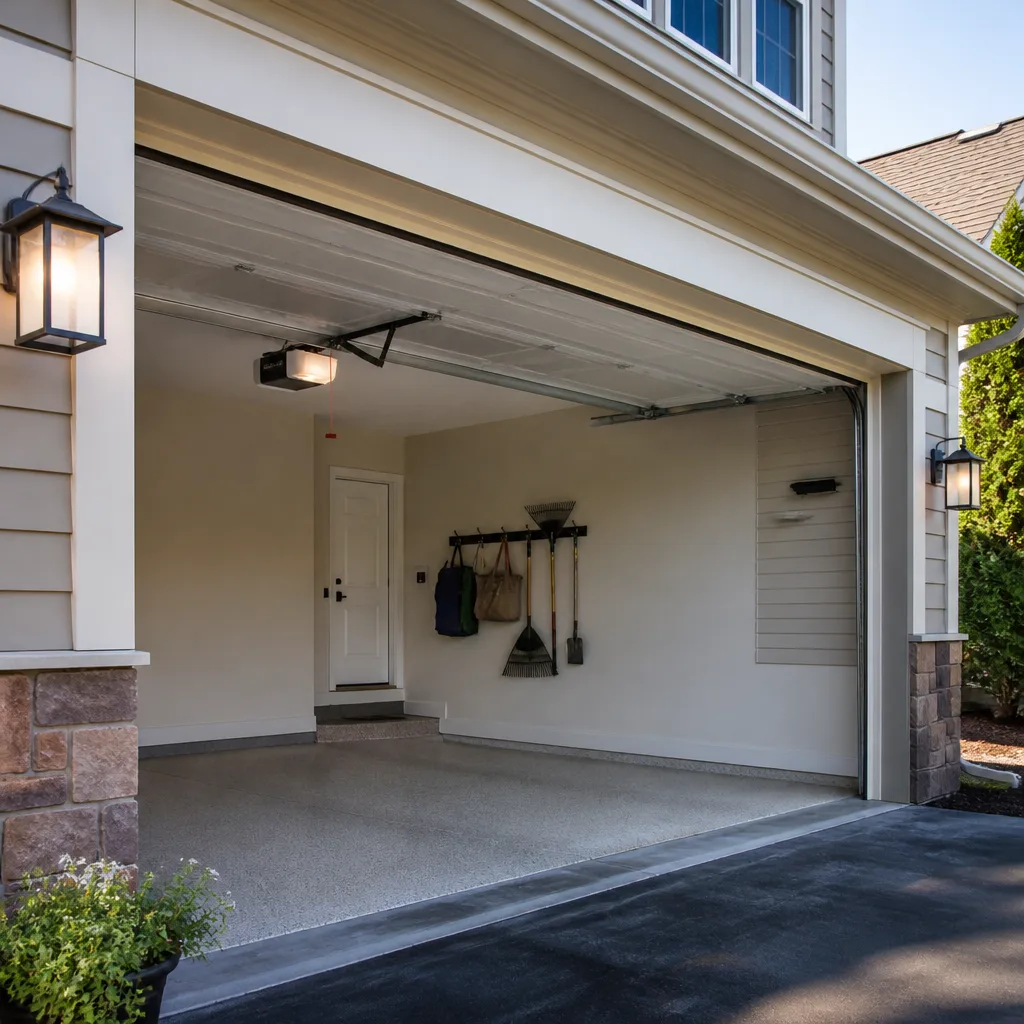 Chamberlain openers
Full 25-point door and opener safety check with every visit - springs, cables, rollers, tracks, and your LiftMaster or Chamberlain opener included
You get a price before we start. It does not change when the truck arrives.
Get your free estimateGarage Door Repair Troubleshooting in Newport News: Common Problems and How to Fix Them
A grinding noise from a Chamberlain opener and a grinding noise from a torsion spring have almost nothing in common. Yet homeowners treat them the same way, and that single mistake sends people shopping for a new opener when the actual failing part costs a fraction of one. The door is talking to you. It’s just not speaking in words. This guide teaches you to read the door’s behavior, not just its noise, so you can match the symptom you’re hearing or seeing to the part that’s actually wearing out. We’ll cover the failure points that Newport News homes run into most, what you can safely handle yourself, and when to stop and call a specialist.
Quick Answer
Most garage door problems fall into a handful of patterns: a snapped spring, a door that reverses before closing, a door that jerks on one side, or an opener that runs but doesn’t lift the door. The fastest way to troubleshoot is to watch what the door does and where it stops, then work backward from that behavior to the mechanism, rather than guessing from the sound alone. Some issues (sensor misalignment, a dead remote battery, a door off its track lubrication) are safe DIY checks. Anything involving springs, cables, or the torsion assembly should go to a trained technician.
Styles & brands we work with
- Raised-panel steel
- Carriage house
- Modern flush
- Full-view glass
- LiftMaster openers
- Chamberlain openers
Table of Contents
- Symptom-to-Cause Diagnostic Matrix
- How Newport News Humidity Accelerates Specific Failures
- Why Limit Switch and Sensor Issues Get Misread as Opener Failures
- The Right Order for Diagnosing a Door That “Just Stopped”
- What You Can Fix Yourself vs. What Needs a Technician
- Safe 20-Minute Fixes That Don’t Void Your Warranty
- Brand Behavior: Why We Ask What You Own First
- When to Call a Professional
Symptom-to-Cause Diagnostic Matrix
The single most useful troubleshooting skill is translating a symptom into a mechanical cause. A door that reverses before it closes is almost never an opener failure. A door that jerks to one side is rarely a motor issue. Below is the pattern we walk homeowners through again and again, and it’s the same one our technicians use on arrival.
- Door reverses before closing, or reverses immediately after touching the floor. Usually a misaligned or obstructed safety sensor, or the opener’s travel limit set too far. The sensor lens is often just dirty.
- Door opens about six inches and stops. Classic travel-limit or down-limit setting, or a binding track. Rarely the motor itself.
- Door jerks and hangs on one side. A stretched or frayed cable on that side, a bent track, or a worn roller. On a torsion system, uneven lifting often points to the cable or drum, not the spring alone.
- Door is heavy to lift by hand (with the opener disconnected). A broken torsion spring or an overtensioned one. Stop operating it.
- Opener hums or clicks but the door doesn’t move. Stripped drive gear, a broken trolley, or a snapped spring. The motor is fine; the connection to the door isn’t.
- Loud grinding only when the door moves. Worn rollers or a dry torsion assembly. If the grinding happens only when the opener runs, suspect the gear instead.
- Remote or wall button works intermittently. Usually a battery, a Wi-Fi module handshake issue on a smart opener, or a logic board fault, in that order.
Match the symptom first, then test the cheapest suspect. Most homeowners jump straight to the most expensive part (the opener) because that’s the part with a brand name on it. The door’s behavior tells you far more than the label does. Call (888) 967-0166 for an exact quote once you’ve narrowed it down – estimates are free.
How Newport News Humidity Accelerates Specific Failures
Hampton Roads sits in a humid summer pattern that does specific things to garage hardware, and we see the same failure points come up in Newport News again and again. It’s not the heat that does the damage; it’s the moisture the air carries through the warm months, working on the parts that never get seen.
- Bottom seal rot. The rubber or vinyl bottom seal is the first thing to go in a humid climate. It sits against concrete, traps moisture, and softens. A seal that’s cracked or crumbling lets water and insects into the garage and puts stress on the door’s balance. Replacing a bottom seal is a straightforward job and one of the most cost-effective things you can do.
- Cable corrosion and fraying. Lift cables are steel, and steel in a humid garage corrodes from the inside out. A cable with even one frayed strand is a fail point that will eventually snap. Inspect both cables at the drum and at the bottom bracket. If they look dry or show broken strands, don’t operate the door until a technician looks at them.
- Hinge and roller stiffness. Stiff hinges and dry rollers are why doors start to grind and jerk. Lubrication with a proper garage-door lubricant (not WD-40) keeps steel parts moving and keeps moisture off them.
- Paint and panel edge peeling. Wood and steel doors both need the seams checked. Peeling paint at the bottom edges is the leading indicator that moisture has been sitting on that panel.
These are the failure points an inland-Virginia homeowner never notices. Here, they’re the ones that come up first. A wet garage doesn’t just look messy; it quietly ages the parts most likely to strand you.
Why Limit Switch and Sensor Issues Get Misread as Opener Failures
Two of the most common false diagnoses in garage door repair are “my opener is broken” when it’s actually a limit switch out of adjustment, and “my opener is broken” when it’s actually a safety sensor that’s blocked or misaligned. The opener is the visible, branded, expensive part, so it gets blamed. Before you shop for a new one, run the two-minute test below.
- Disconnect the opener. Pull the red emergency release handle to detach the trolley from the door. The door is now on its own.
- Lift the door by hand. A balanced door should lift with modest effort and stay where you put it. If it’s heavy or falls, the problem is in the door’s springs or balance, not the opener.
- Reconnect and watch the safety sensor. Both sensor eyes should be lit (usually a solid LED on each). If one is blinking or dark, check for dirt, a bent bracket, or a spider web across the lens.
- Run the opener with the door disconnected and the door propped safe. If the trolley runs smoothly on its own, the opener is fine and the door is the issue.
If the door lifts easily by hand and the sensors are clean and aligned, but the door still reverses or stops short, the opener’s travel limits are almost certainly out. On most LiftMaster and Chamberlain units, those are adjustable with a screwdriver at the motor head; on a Genie or Craftsman, the adjustment points differ. If you’re not comfortable making the adjustment, this is exactly the kind of check our garage door opener repair technicians run in the first five minutes. Call (888) 967-0166 for a free estimate before you replace an opener that may still have years left.
The Right Order for Diagnosing a Door That “Just Stopped”
A door that just quit one day is the most common call we get in Newport News, and the worst way to troubleshoot it is to start at the motor. Work in this order, cheapest and most likely first, and you’ll avoid replacing parts that were never broken.
- Check the power and the light. Does the opener’s light come on when you press the wall button? If yes, the unit has power and the problem is downstream.
- Check the wall button and the remote. Try both. If the wall button works but the remote doesn’t, it’s the remote battery or the radio receiver, not the motor.
- Check the safety sensor. A blocked or misaligned sensor will stop a door from closing even when everything else works. Clean both lenses and check the LED status.
- Disconnect the opener and test the door by hand. This isolates the door from the opener. A door that won’t lift by hand has a balance or spring problem.
- Look at the springs and cables. A broken torsion spring is often visually obvious: a gap in the coil. A snapped cable will be loose and off its drum. Do not touch either. Call a professional.
- Only then suspect the opener. Stripped gears, a failed logic board, or a dead motor capacitor are real, but they’re less common than a door that simply lost its balance or a sensor that got bumped.
Working through this list in order is how you avoid the $400 mistake of replacing an opener when the actual culprit is a worn cable or an out-of-adjustment limit. If you get through steps one through three and the door still misbehaves, the door itself is the suspect. Same-day repair is available in Newport News. Call (888) 967-0166.
What You Can Fix Yourself vs. What Needs a Technician
There’s honest work to do here. There’s also real danger. The line between them is clear once you know where it is.
Safe for a homeowner
- Replacing remote batteries and re-pairing remotes to the opener.
- Cleaning safety sensor lenses and straightening a bent sensor bracket by hand.
- Lubricating hinges, rollers, and the torsion assembly with a proper garage-door lubricant.
- Adjusting the opener’s travel limits per the owner’s manual (on most brands, this is a screwdriver adjustment).
- Replacing a bottom seal or weatherstripping.
- Cleaning and inspecting tracks for debris; gently nudging a track back into alignment only if it’s obviously bent at a visible point.
Work for a trained technician
- Torsion spring replacement or adjustment.
- Cable replacement, drum removal, or any adjustment to the torsion assembly.
- Roller replacement on a heavily used door (the door must be properly secured).
- Panel replacement on a damaged door.
- Opener motor, gear, or logic board replacement.
- Any work where the door is off its track, misaligned, or visibly sagging.
Springs and cables are under extreme tension, and a spring that lets go while you’re working on it can cause serious injury. That’s not a scare tactic. It’s the reason trained technicians approach every torsion assembly with the door closed and the right winding bars. If your symptom points to a spring or cable, stop and call. Our garage door repair team handles those every day. Free estimates, upfront pricing, and the price is quoted and agreed before any work starts. Call (888) 967-0166.
Safe 20-Minute Fixes That Don’t Void Your Warranty
The best repair is the one you never needed to call for. Here are the fixes that take less than half an hour, cost almost nothing, and keep the door running like it should.
- Lubricate the moving parts. A proper garage-door lubricant on hinges, rollers, and the torsion assembly once a season keeps steel parts moving and cuts the grinding noise that sends people shopping for a new opener. Don’t use WD-40 for this; it attracts dust.
- Rebalance the door by hand test. Disconnect the opener, lift the door halfway, and let go. A balanced door stays put. If it falls, don’t operate it until it’s adjusted. That’s a technician job.
- Clean and align the safety sensors. A soft cloth and a nudge to the bracket fixes 8 out of 10 sensor complaints. Make sure both LEDs are solid.
- Test the auto-reverse. Place a 2×4 flat on the floor under the closing door. The door should reverse on contact. If it doesn’t, the opener needs adjustment or service.
- Replace the bottom seal if it’s cracked or crumbling. A $20 seal and a Saturday afternoon protects the door’s bottom panel from water damage.
These are the fixes we’d want a homeowner to do. They preserve the warranty because they’re routine maintenance, not mechanical overhaul. Anything past this list belongs to a professional.
Brand Behavior: Why We Ask What You Own First
Different openers and door manufacturers fail in slightly different ways, and knowing what you own narrows the diagnosis before the truck rolls. We work on LiftMaster, Chamberlain, Genie, Clopay, Amarr, Wayne Dalton, Craftsman, and Raynor, and each brand has its own quirks. A LiftMaster logic board diagnostic beeps differently than a Genie’s. A Chamberlain’s travel-limit screws sit at a different spot than a Craftsman’s. Clopay and Amarr steel doors have their own panel and seal replacement patterns. When we ask what brand you have, it’s not a sales question. It’s how we show up prepared.
We don’t sell any one manufacturer’s parts, because we don’t have a stake in one brand. That’s a quiet advantage for you. If your problem points to a repair, we say so. If it points to a replacement, we tell you that too. No manufacturer pays us to steer one way or the other, and we’re happy to keep it that way.
If you’re not sure what you have, look at the opener head or the sticker on the inside of the door panel and read us the model number when you call. That one detail often saves a step. Call (888) 967-0166. We answer 24/7. Fast dispatch, 7am-7pm.
Common Mistakes to Avoid
- Blaming the opener first. Nine times out of ten the opener is fine and the door is out of balance or the sensor is dirty. Replace the opener only after the door and sensor have been ruled out.
- Using lubricant on the wrong parts. WD-40 on hinges and rollers attracts dust in a humid Newport News garage. Use a proper garage-door lubricant and stay away from the track itself.
- Forcing a door that’s off its track. Yanking a stuck door bends the panels and the track, turning a $60 fix into a panel replacement. Stop and call.
- Ignoring a frayed cable. A single frayed strand on a lift cable is a warning, not a cosmetic issue. Corroded or frayed cables in humidity are the number one cause of snapped cables, and a snapped cable can drop a door.
- Adjusting the travel limits to “fix” a reversing door. If the door reverses because the sensor is blocked, adjusting the limits just masks the problem. Fix the sensor first.
- Skipping the seasonal lube. A dry torsion assembly grinds and wears. Ten minutes twice a year is cheaper than the repair the lack of it causes.
- Replacing the bottom seal only after it fails. In this climate, check the seal each spring. A crumbling seal lets water into the garage and eats the door’s bottom panel from the inside out.
See the difference
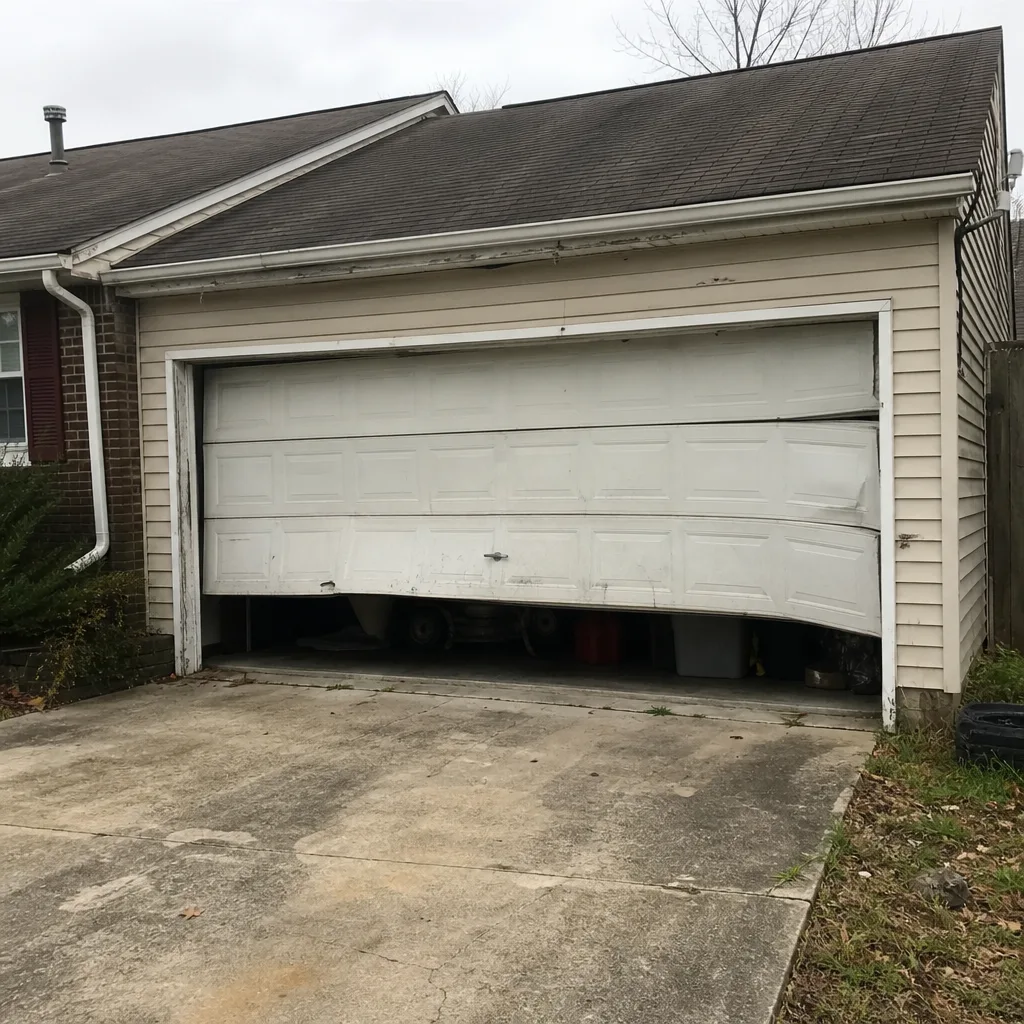 Before
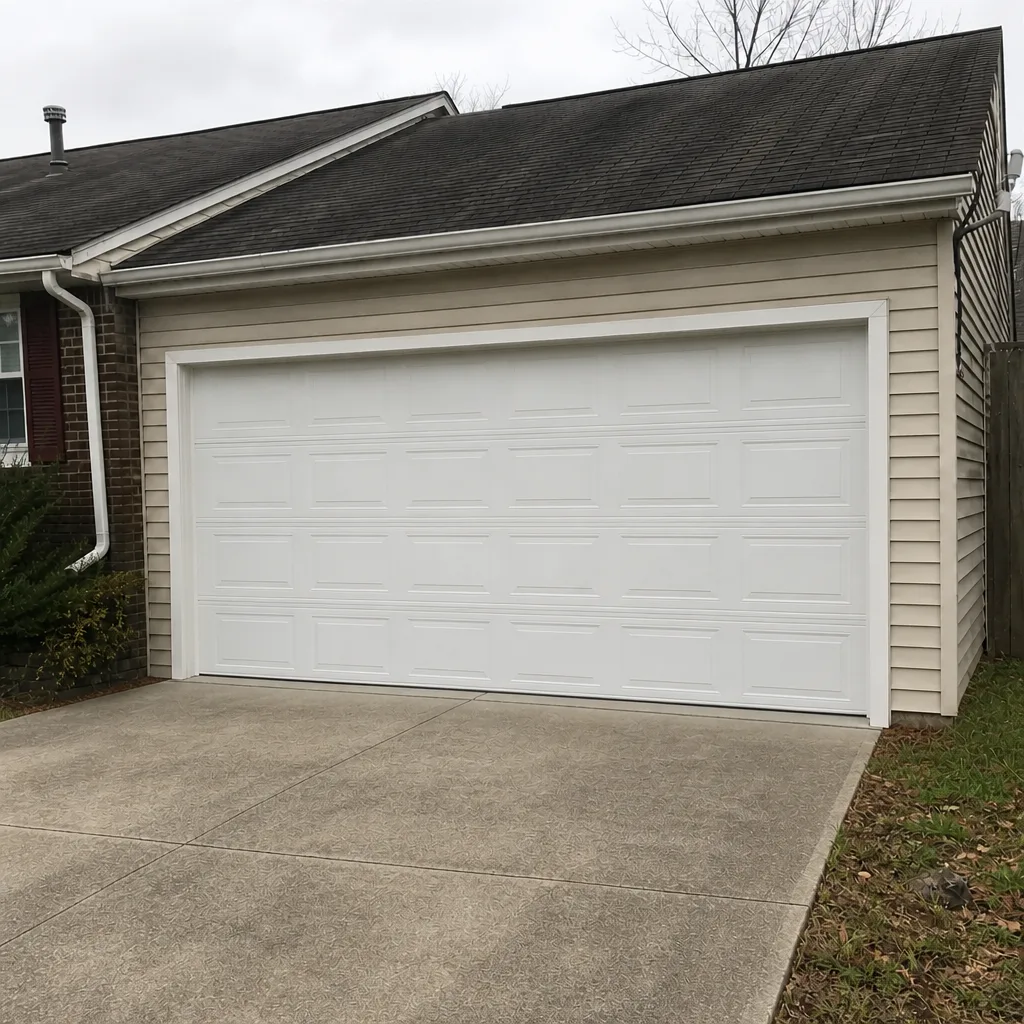 After
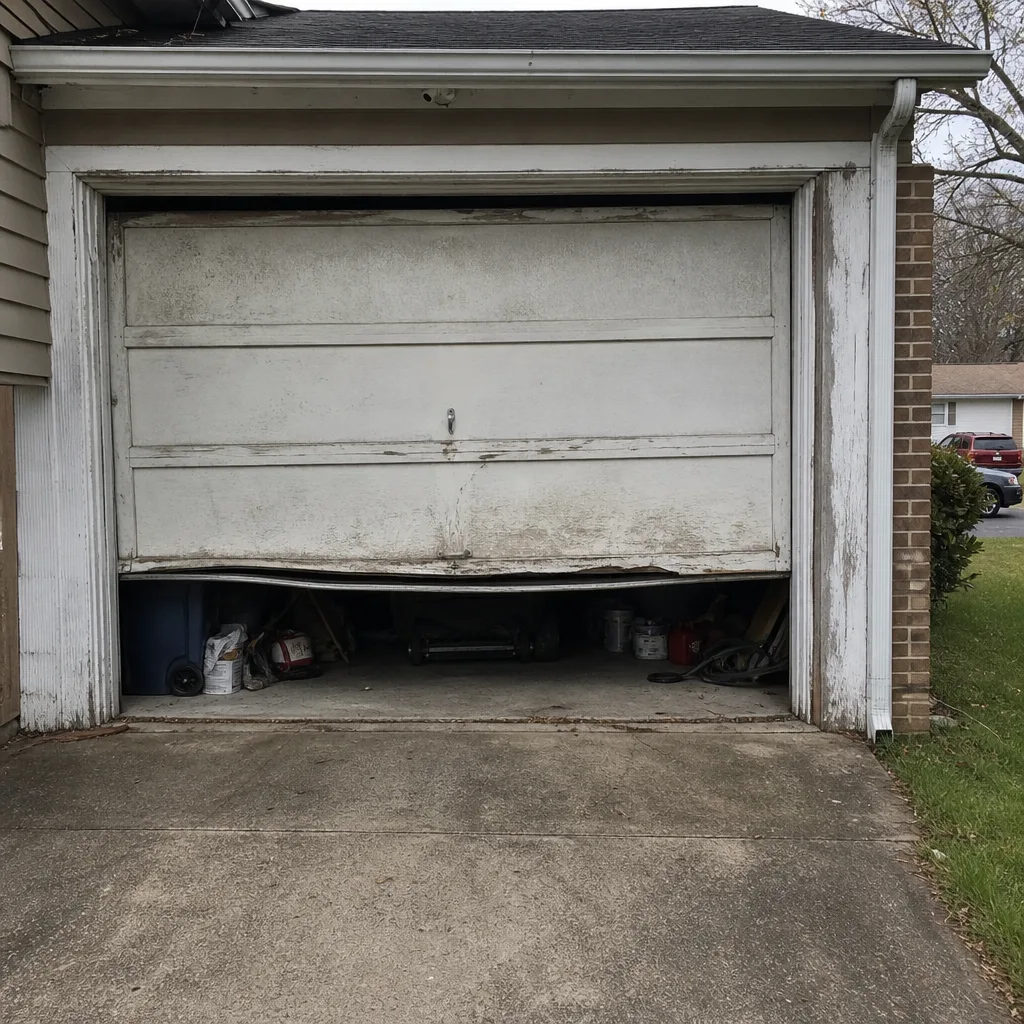 Before
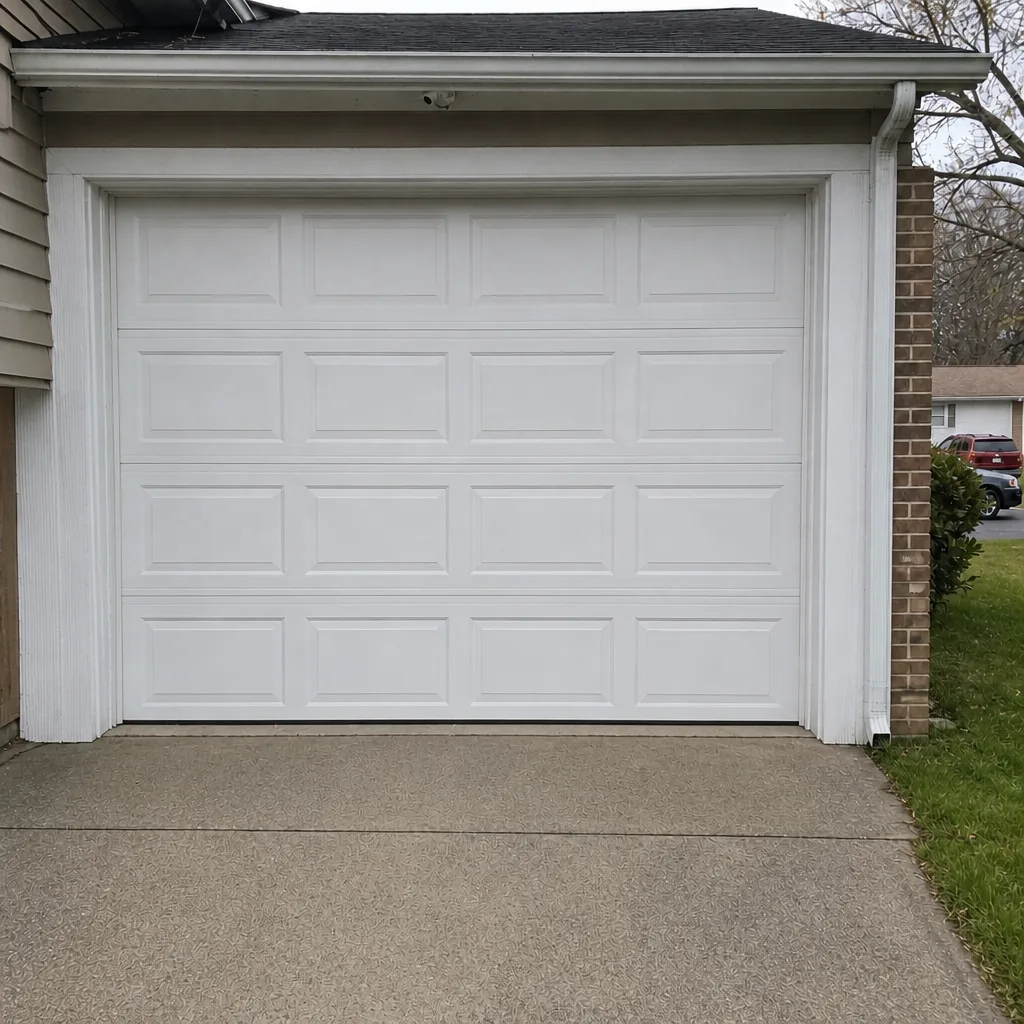 After
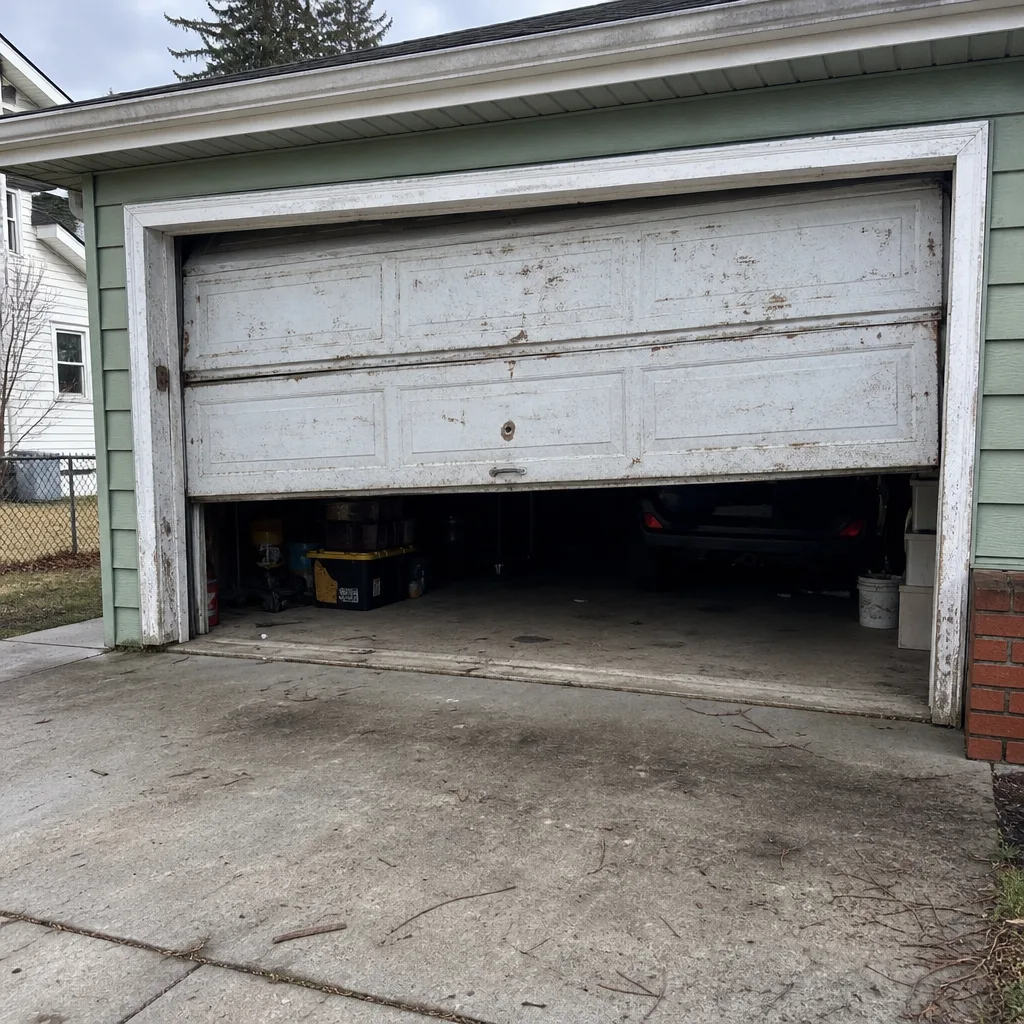 Before
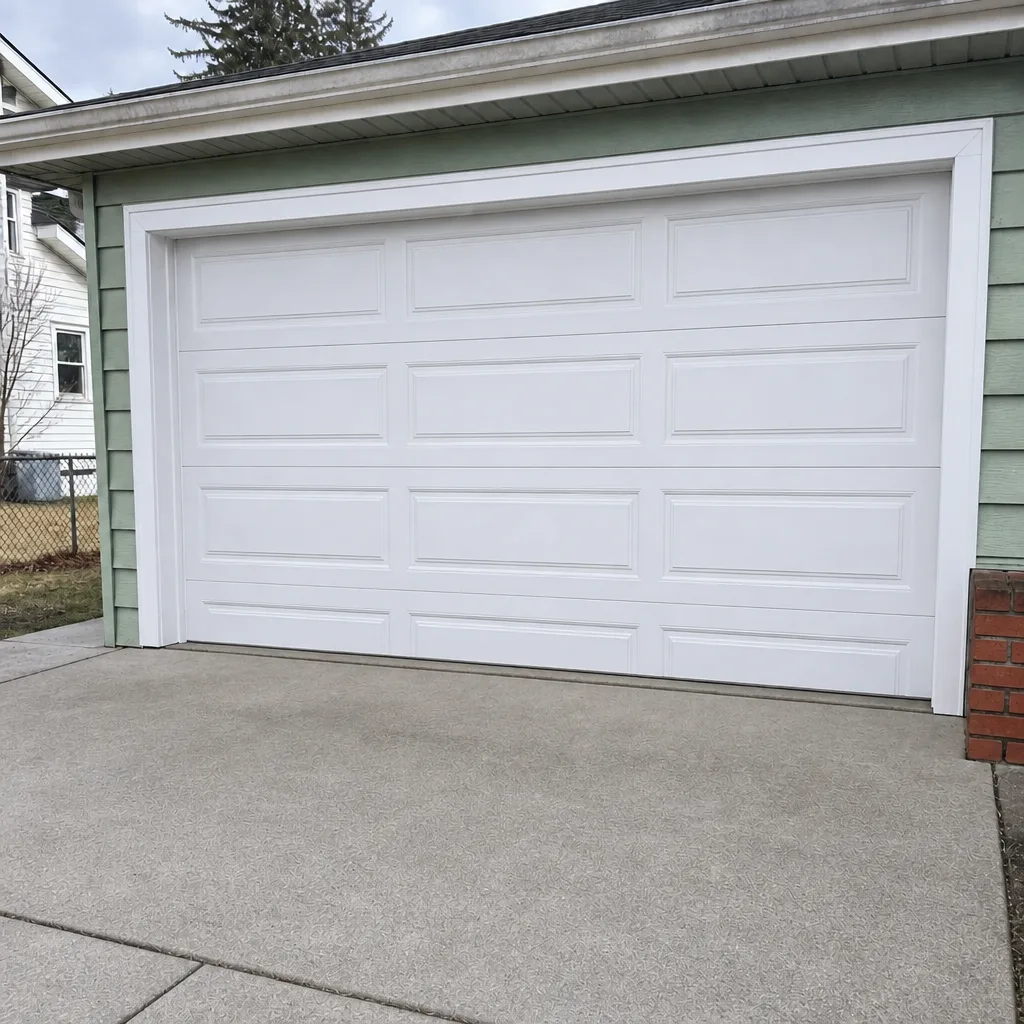 After
When to Call a Professional
Call a professional when the door won’t lift by hand, when a spring has visibly broken, when a cable is frayed or loose, when the door has left its track, or when the opener runs but the door doesn’t move. These are the situations where continuing to operate the door can turn a small repair into a bigger one, and where the risk of injury is real. A technician can diagnose all of these in one visit and give you a written price before any work starts. Whitman Garage Door Repair offers free estimates in Newport News. We answer 24/7, with fast dispatch from 7am to 7pm, Sunday through Friday. Call (888) 967-0166. We work on the brand you already have, whether it’s a LiftMaster, a Chamberlain, a Genie, or a Clopay door.
Frequently Asked Questions
Repair costs in Newport News depend on the part and the diagnosis, and the price is set per job by a written estimate you approve before any work starts. Common repairs like sensor alignment, travel-limit adjustment, or lubrication for a stiff door are on the low end. Spring and cable repairs sit higher because they involve parts under tension and a technician needs to be present. Call (888) 967-0166 for an exact quote. Estimates are free.
Same-day service is often available for garage door repairs in Newport News, depending on the day and the diagnosis. A sensor, a limit switch, or a door off its track can often be handled the same day. Spring and opener repairs are usually straightforward to schedule quickly. Call (888) 967-0166. We answer 24/7. Fast dispatch from 7am to 7pm, Sunday through Friday.
No. The written estimate sets the price, and it’s agreed before any work begins. If we get to the door and find something we missed over the phone, we tell you before we touch anything. You’ll never get a surprise invoice from us.
We carry common repair parts, including sensors, remotes, hinges, rollers, bottom seals, and travel-limit hardware. Springs and cables are matched to your door’s weight and size, so they may need to be picked up. We confirm the written price before work starts so there’s no surprise.
That behavior almost always points to the opener’s travel limit being set wrong, or a binding track. It’s rarely the motor. If the door lifts easily by hand and the sensors are clean, the limits are the first thing to check. If the door won’t lift by hand, the problem is balance or a spring. Call (888) 967-0166 for a free estimate before replacing the opener.
We work on LiftMaster, Chamberlain, Genie, Clopay, Amarr, Wayne Dalton, Craftsman, and Raynor openers and doors. That covers most of the brands Newport News homeowners actually have. If you’re not sure what you own, read us the model number off the opener head when you call. Call (888) 967-0166 for a free estimate.
The Bottom Line
Garage door troubleshooting comes down to reading the door’s behavior, not its noise. A reversing door points to sensors or limits. A jerking door points to cables, tracks, or rollers. A heavy door points to a spring. A running opener that doesn’t lift the door points to the door’s balance, not the motor. The humidity in Newport News makes bottom seals and cables the parts most likely to fail first, so a spring and fall inspection of both pays for itself. Handle sensors, limits, lubrication, and seals yourself. Hand springs and cables to a trained technician. If you’ve narrowed it down and want a definitive answer, call Whitman Garage Door Repair at (888) 967-0166. We’re your Newport News garage door specialist, we work on the brand you already have, and garage doors are all we do. Free estimates, upfront pricing, and the price is quoted and agreed before any work starts.
If you’ve landed here while researching the whole job, why the same door keeps failing, or what it takes to replace rather than repair, Whitman Garage Door Repair is the place to start.
Written by the team at Whitman Garage Door Repair, serving Newport News since 2014.